The war between Russia and Ukraine has entered a new phase marked by extensive drone operations on both sides. Long-range drone attacks targeting military infrastructure, logistics hubs, and strategic facilities have become a central feature of the conflict.
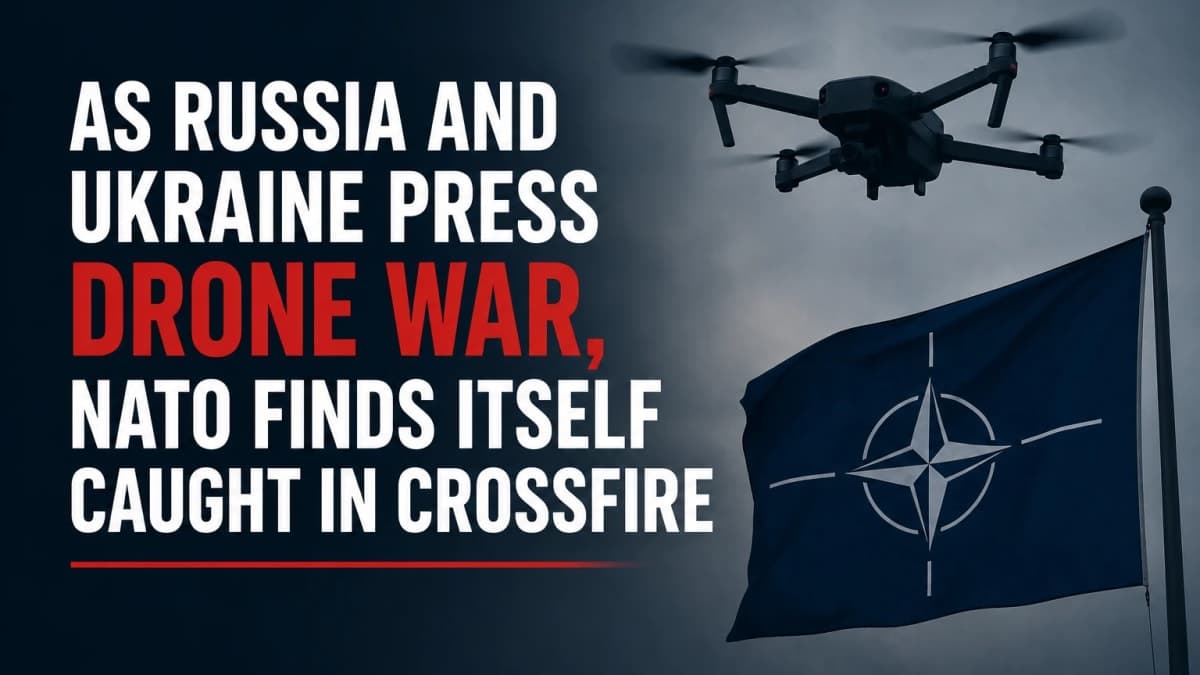
As the drone campaign intensifies, NATO countries bordering the conflict zone are facing growing challenges. Debris from intercepted drones, airspace incursions, and heightened military activity near alliance territory have raised concerns about accidental escalation and regional security risks.
Military analysts note that the widespread use of relatively low-cost drones is reshaping modern warfare. Both Russia and Ukraine are investing heavily in drone technology, electronic warfare systems, and air-defense capabilities to gain an advantage on the battlefield.
For NATO, the situation presents a complex balancing act. The alliance continues to support Ukraine while working to prevent the conflict from spilling into member states. Defense officials are also examining how lessons from the war could influence future military planning and counter-drone strategies.
The evolving drone conflict underscores the growing importance of unmanned systems in modern warfare and highlights the challenges facing NATO as it seeks to maintain stability in an increasingly volatile security environment.