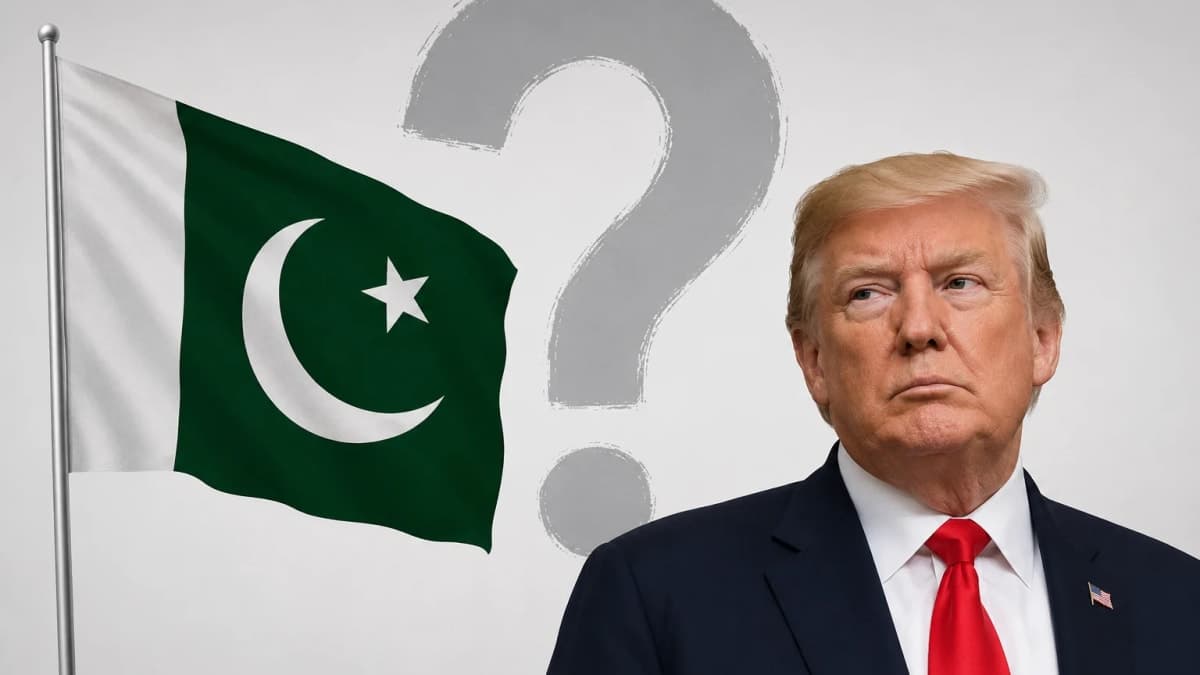
Pakistan is increasingly reviewing its foreign policy priorities as the global political landscape evolves under the leadership of U.S. President Donald Trump. His administration's approach to international affairs has often been characterized by rapid policy changes, unexpected announcements, and a focus on national interests.
Political observers suggest that these factors have encouraged countries worldwide to adopt more flexible diplomatic strategies. Pakistan, which has historically maintained a complex relationship with the United States, is among the nations carefully assessing the potential impact of Washington's future decisions.
Experts note that Pakistan's leadership is emphasizing stronger regional partnerships, economic diversification, and balanced international engagement. Such efforts are aimed at ensuring stability regardless of shifts in major global powers' foreign policies.
While cooperation between Pakistan and the United States continues in areas of mutual interest, analysts believe Islamabad is increasingly prioritizing self-reliance and broader diplomatic outreach. This approach could help the country manage uncertainties arising from changing geopolitical dynamics.
The evolving relationship highlights the challenges many nations face when dealing with major powers whose policy directions can change rapidly. As global events continue to unfold, Pakistan's diplomatic strategy is expected to remain focused on safeguarding national interests while maintaining constructive international partnerships.