Vir Das, known for his stand‑up comedy and occasional acting roles, has completed principal photography on his sophomore directorial effort, Baara Number. The project, billed as a found‑footage psychological thriller, aims to immerse viewers in a tense, character‑driven narrative that departs from conventional Indian cinema storytelling.
The production brings together a mix of veteran and emerging talent, including Sheeba Chaddha, Suhail Nayyar, Arunoday Singh, Ahsaas Channa, Atul Kulkarni and others. By blending a high‑concept format with a strong ensemble, the film positions itself as a potential catalyst for new approaches within Bollywood’s thriller genre.
What Is Actually Going On
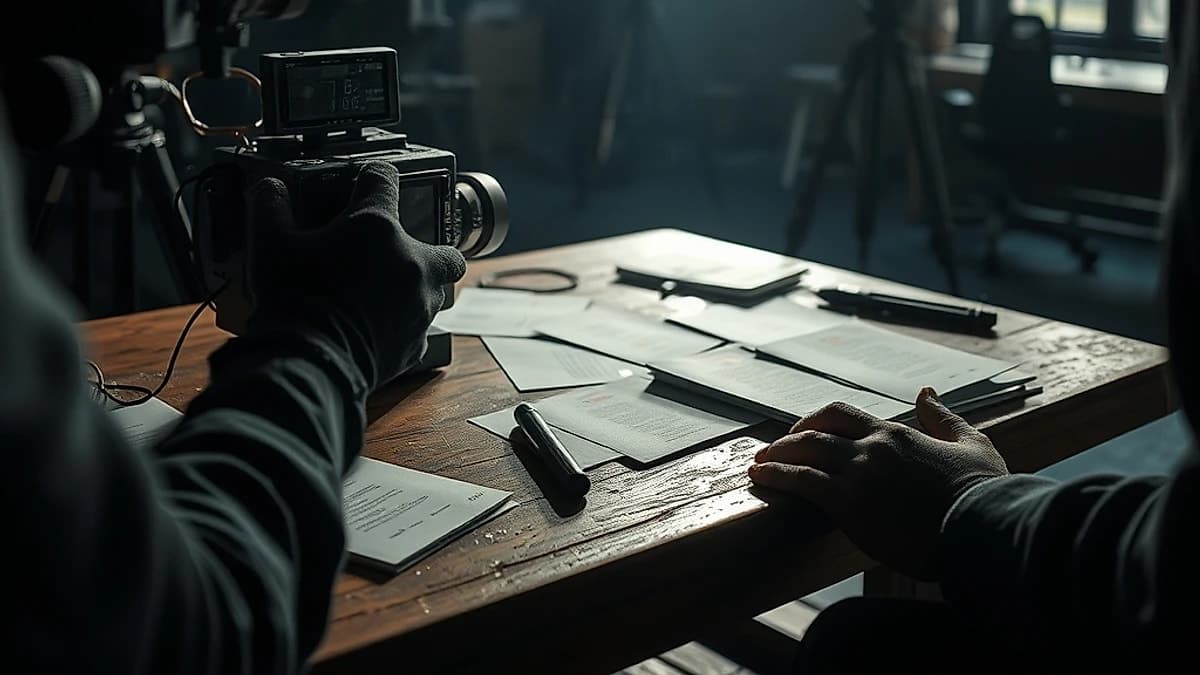
Baara Number is being shot entirely from the perspective of in‑world cameras, a technique popularly known as "found footage." Rather than relying on a traditional omniscient lens, the story unfolds through handheld recordings that characters themselves operate. This choice forces the audience to experience events as if they were discovering them in real time, heightening the sense of unease that is central to psychological thrillers.
Vir Das serves as director, producer and member of the ensemble, marking his most ambitious undertaking to date. The film is co‑produced by Naresh Malik, Jeff Lazarus and Kaushik Srinivasan of Third Frame Studio, alongside Das’s own Zazu Productions, with Kavi Shastri credited as creative producer. The collaboration reflects a growing trend in Indian independent cinema where multiple production houses pool resources to back experimental projects.
According to Das, the found‑footage approach eliminates many of the comforts of classic filmmaking, such as elaborate lighting setups or scripted camera movements. Instead, the camera becomes a character in its own right, demanding that actors react authentically to the limited framing and spontaneous conditions. This constraint, Das argues, intensifies the psychological stakes for both performers and viewers.
The narrative itself has been kept under wraps, but Das has hinted that the plot hinges on a group of individuals whose interactions spiral into paranoia and fear. By placing the camera in the midst of the action, the film seeks to blur the line between fiction and reality, a hallmark of the genre.
How It Works
The found‑footage methodology employed in Baara Number follows a series of deliberate steps that differentiate it from standard production pipelines:
Conceptual framing: The story is written with the premise that every scene will be captured by a character‑held device, influencing dialogue and blocking.
Technical preparation: Lightweight, low‑light cameras are selected to allow actors to operate them without extensive crew support.
Rehearsal with equipment: Cast members practice scenes while handling the camera, learning to balance performance with framing.
On‑set improvisation: Directors give actors leeway to react organically, as the camera’s point of view cannot be altered in post‑production.
Minimal coverage: Because the footage is meant to appear raw, multiple takes are avoided; the focus is on capturing a single, believable take.
After shooting, the raw recordings undergo a rigorous editing process that preserves the shaky, unpolished aesthetic while ensuring narrative coherence. Sound design plays a crucial role, adding ambient noises and subtle cues that reinforce the claustrophobic atmosphere.
Who This Affects
The most immediate beneficiaries of Baara Number’s experimental approach are the actors involved. Performing in a found‑footage setting requires a high degree of improvisational skill and emotional honesty, qualities that seasoned performers like Sheeba Chaddha and Atul Kulkarni bring to the table. Their willingness to experiment, as Das noted, creates a collaborative environment where risk‑taking is encouraged.
Beyond the cast, the film’s production model impacts emerging filmmakers and independent studios in India. By pooling resources from Zazu Productions, Third Frame Studio and individual co‑producers, Baara Number demonstrates a viable blueprint for financing unconventional projects without relying on major studio backing.
Audiences stand to experience a new kind of cinematic immersion. If successful, the film could broaden viewer expectations for thriller storytelling, encouraging a shift toward more intimate, perspective‑driven narratives in mainstream releases.
What It Does Not Mean
Although Baara Number embraces a novel visual style, it does not signal a wholesale abandonment of traditional filmmaking techniques in Bollywood. The found‑footage format is a deliberate artistic choice for this particular story, not a blanket endorsement for all future productions.
Similarly, the project’s experimental nature does not guarantee commercial success. The niche appeal of psychological thrillers, especially those that challenge conventional pacing and visual language, may limit box‑office performance despite critical acclaim.
Common Questions
What exactly is "found footage"?
Found footage is a storytelling method where the narrative is presented as if it were discovered recordings made by the characters themselves, often resulting in a raw, unedited look.
Why did Vir Das choose this format for a thriller?
Das believes the format heightens tension by forcing viewers to feel like they are uncovering events alongside the characters, creating a more intimate sense of dread.
Is Baara Number Das’s first film as a director?
No, it is his second directorial project. His debut film helped him develop his voice behind the camera, and Baara Number pushes that experimentation further.
When can audiences expect to see the film?
The production team has not announced a release date yet, but post‑production is underway, suggesting a possible release in the next year.
The Bottom Line
Baara Number represents a bold step for Vir Das and his collaborators, marrying a psychologically charged script with a daring visual approach. By involving a diverse ensemble and leveraging a co‑production model, the film may influence how Indian filmmakers think about genre and storytelling. While its commercial prospects remain uncertain, the project underscores a growing appetite for innovative cinema that challenges both creators and audiences.
This article is based on reporting published by Bollywood Hungama.