Zahaan Questions Tarun Tejpal’s Conviction
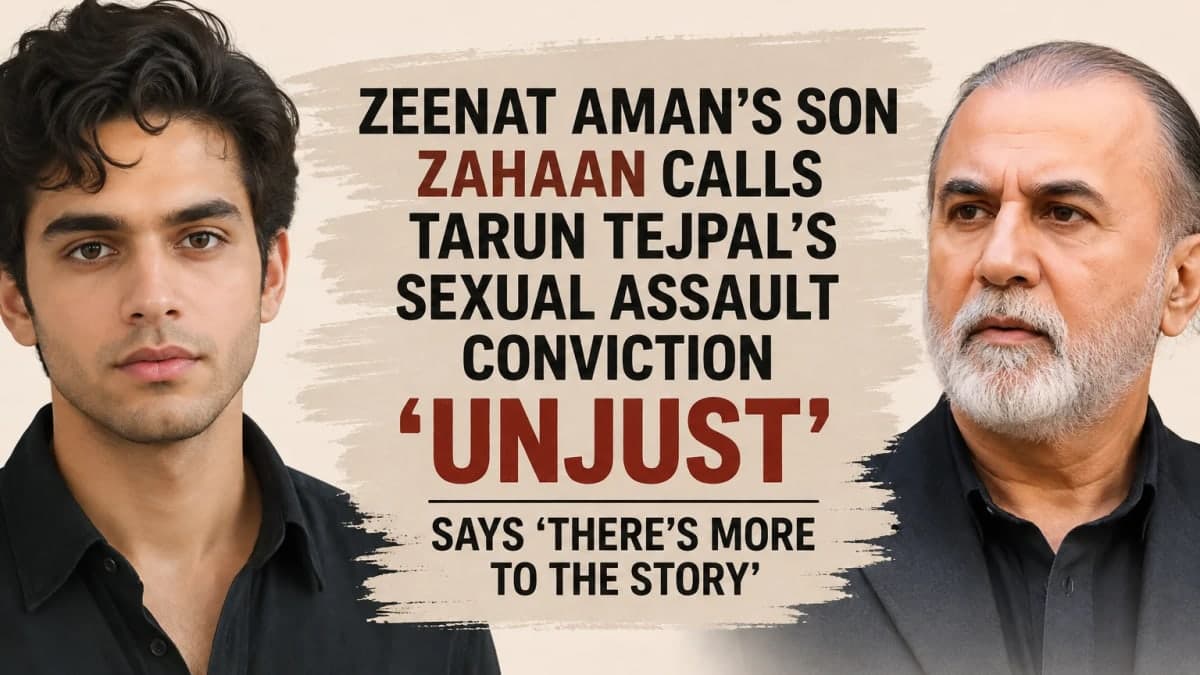
Zahaan, the son of veteran actor Zeenat Aman, has publicly expressed disagreement with Tarun Tejpal’s conviction for sexual assault, calling the outcome “unjust.”
According to the statement referenced in the headline, Zahaan also said that “there’s more to the story,” indicating that he believes the circumstances surrounding the matter are more complex than they may appear from the conviction alone.
His remarks represent his personal assessment of the case. No additional evidence or details supporting that assessment are included in the information provided here.
Remarks Put Spotlight Back on Sensitive Case
Comments challenging the outcome of a sexual-assault case can attract significant public attention because they touch on both the seriousness of allegations of sexual violence and confidence in the judicial process.
Zahaan’s comments are particularly notable because of his connection to Zeenat Aman, one of Hindi cinema’s best-known veteran actors. However, that family connection does not itself have any bearing on the legal merits of the case.
The central development is Zahaan’s decision to publicly characterize Tejpal’s conviction as unjust and suggest that the publicly understood account does not tell the entire story.
Personal Opinion and Judicial Findings Are Distinct
It is important to distinguish between an individual’s opinion about a case and a finding reached through the legal process.
Zahaan’s description of the conviction as “unjust” reflects his viewpoint. Without additional case records, judicial documents or evidence being part of the information provided for this report, his assertion should not be interpreted as establishing that the conviction was legally incorrect.
Similarly, the seriousness of a sexual-assault conviction means discussion surrounding the case requires careful treatment of all parties involved and of the judicial process.
Why Zahaan’s Statement Matters
Public statements about high-profile criminal cases can influence how cases are discussed outside courtrooms, particularly when the person making the statement has a connection to a prominent public figure.
Zahaan’s remarks may therefore revive discussion around Tejpal’s case and generate debate over the limits and responsibilities involved when individuals publicly question judicial outcomes.
At the same time, public debate cannot substitute for legal proceedings. Questions about whether a conviction is justified ultimately depend on evidence, applicable law and decisions made through the judicial system rather than public opinion.
A Sensitive Debate Likely to Draw Attention
The statement brings together several sensitive issues: allegations of sexual violence, judicial accountability and the freedom of individuals to question legal outcomes.
Supporters of Zahaan’s position may view his comments as an expression of concern about the handling or interpretation of the case. Others may argue that questioning a sexual-assault conviction without presenting supporting evidence risks creating misleading impressions about a matter decided through legal proceedings.
With only the headline facts available, no conclusion can responsibly be drawn about the basis for Zahaan’s claim that “there’s more to the story.” What is clear is that his comments have introduced a fresh public challenge to the conviction and are likely to fuel further discussion surrounding the case.
This article is based on reporting published by Hindustan Naka.