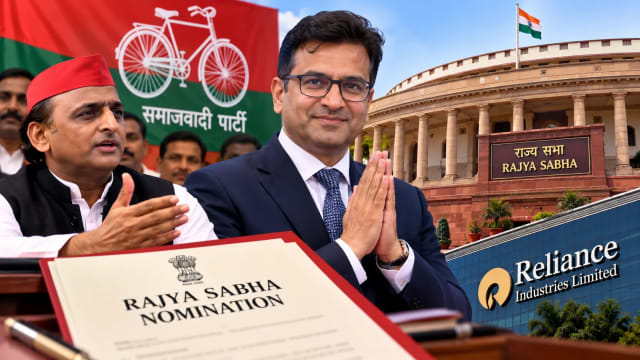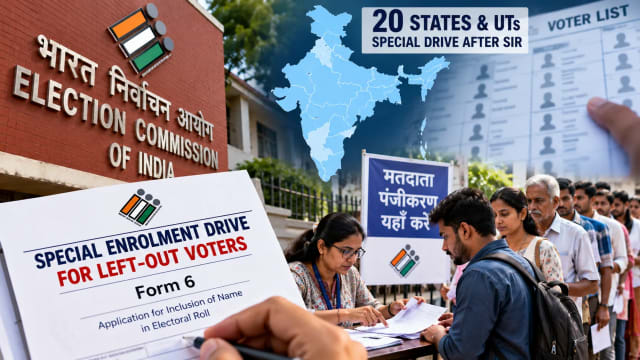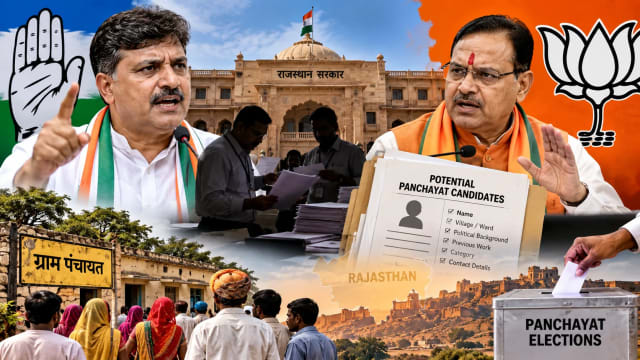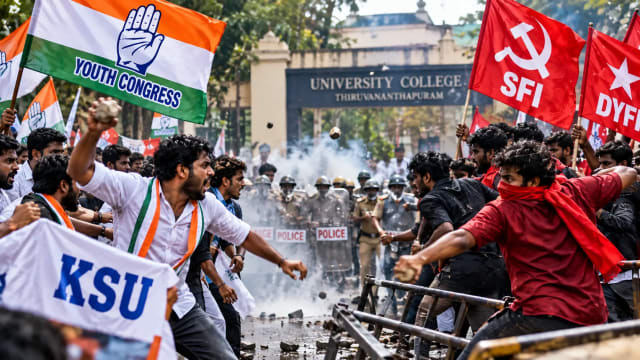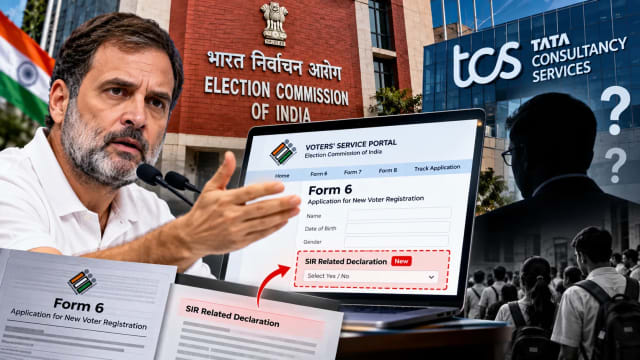
Public discussions surrounding Abhijeet Dipke and CJP have sparked renewed debate about the role of activism in shaping society and public policy. Supporters argue that advocacy groups play a crucial role in highlighting social issues, promoting accountability, and amplifying marginalized voices.
Critics, however, contend that activism often faces significant challenges when confronted with the practical realities of governance, administration, and policy implementation. They question whether ideas that gain traction online can withstand the complexities of real-world decision-making.
The debate reflects a broader national conversation about the relationship between activism, political influence, public opinion, and institutional governance. As discussions continue, opinions remain sharply divided over the effectiveness and long-term impact of advocacy-driven movements.