A significant development emerged in the ongoing Cockroach Janta Party (CJP) protest after the Central Government initiated its first formal round of discussions with the group's representatives. Union Health Minister J.P. Nadda met a two-member delegation from the protest movement in New Delhi following hours of demonstrations near Parliament. The meeting marked the first official dialogue between the government and CJP since the protests began, raising hopes of a possible peaceful resolution.
Following the meeting, Nadda stated that discussions were conducted in a cordial environment and confirmed that the delegation had submitted a written memorandum outlining its demands. He said the government had taken note of the issues raised and requested all protesters to conclude their sit-in and cooperate with the administration in restoring normal public life. However, he did not announce any immediate decisions regarding the demands presented during the meeting.
The CJP delegation reportedly reiterated three primary demands during the talks, including the immediate release of activist Sonam Wangchuk from hospital care, the resignation of Union Education Minister Dharmendra Pradhan over alleged examination irregularities, and financial compensation for the families of NEET aspirants who allegedly died by suicide. While government representatives acknowledged receiving the memorandum, CJP leaders indicated that they would continue monitoring the government's response before deciding their next course of action.
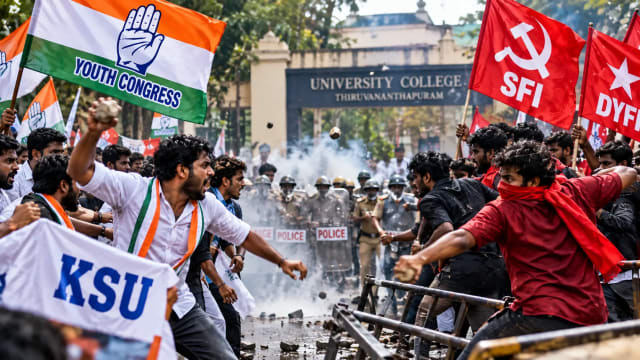
The dialogue took place against the backdrop of the "Sansad Chalo" march, during which thousands of protesters attempted to move toward Parliament despite extensive security arrangements across central Delhi. Police erected multiple barricades, imposed traffic restrictions, and increased deployment in sensitive areas to prevent unauthorized access to the Parliament complex. Earlier in the day, confrontations between protesters and police were reported at several locations as authorities sought to enforce restrictions.
Although the meeting with the government was viewed as a positive step toward communication, CJP representatives maintained that their movement remains active until meaningful progress is made on their key demands. Protest organizers have continued to describe the agitation as peaceful and focused on examination reforms and accountability, while authorities have emphasized the need to maintain law and order throughout the demonstrations.
The opening of formal talks represents a notable shift in the government's approach, but the future of the protest will likely depend on whether further negotiations produce concrete outcomes acceptable to both sides. As discussions continue, attention remains focused on whether dialogue can reduce tensions and pave the way for a negotiated resolution.