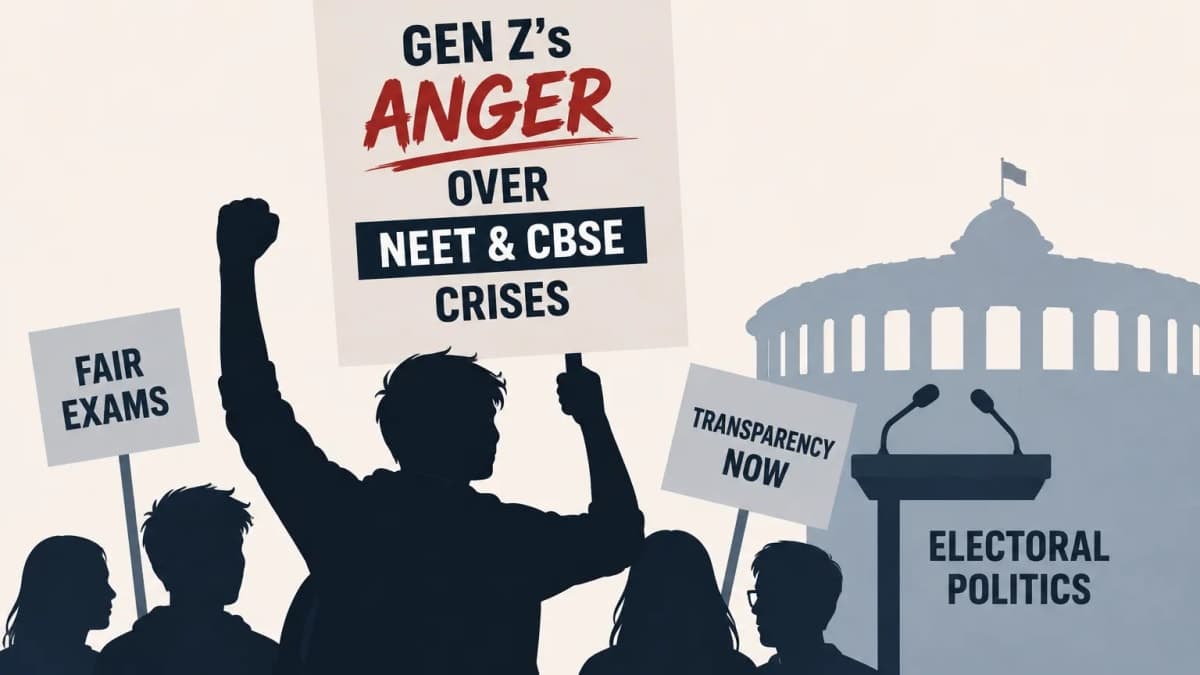
The fallout from controversies surrounding NEET and CBSE-related issues has extended beyond classrooms and examination halls, finding its way into India's political discourse. Many students and young voters have expressed dissatisfaction over exam management, paper leak allegations, result-related concerns, and the uncertainty faced by aspirants.
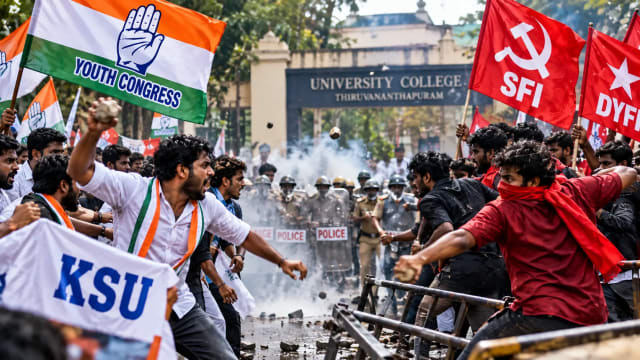
As social media amplified student voices, political parties began responding to the concerns, recognizing the growing influence of first-time and young voters. Student groups, education activists, and youth organizations have increasingly demanded reforms aimed at improving transparency, accountability, and fairness in the education system.
Political analysts note that education-related issues are becoming more significant in electoral discussions, particularly among Gen Z voters who are directly affected by competitive exams and academic policies. For many young Indians, employment opportunities, higher education access, and examination reforms are now central political concerns.
The growing engagement of students in public debates reflects a broader shift in how younger generations participate in democracy. Rather than viewing education solely as an academic issue, many Gen Z voters see it as a matter of governance and public accountability.
As election campaigns evolve, parties may face increasing pressure to present concrete solutions on education reform, exam security, and student welfare, making youth concerns an important factor in India's political landscape.