Introduction
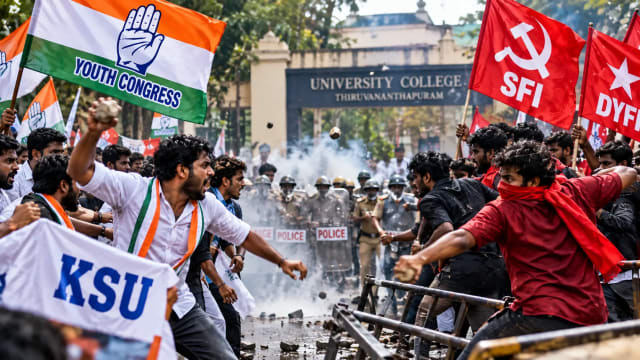
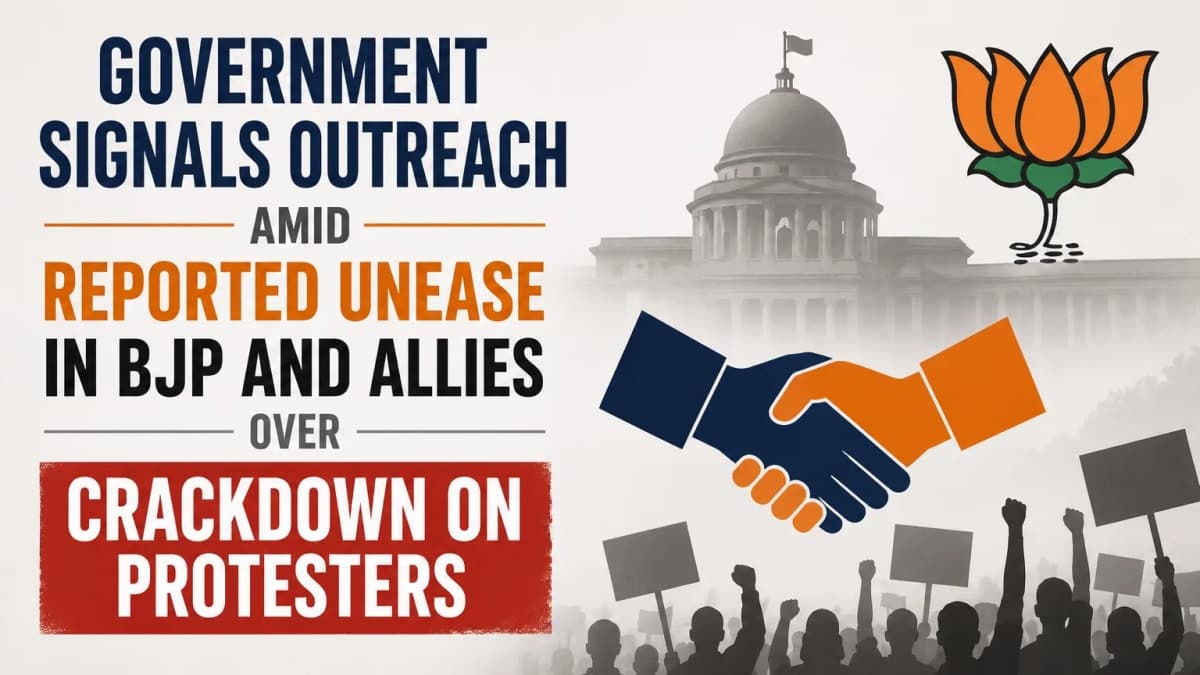
The political landscape has entered a new phase as reported unease within sections of the Bharatiya Janata Party (BJP) and its alliance partners over the crackdown on protesters coincides with signals from the government that it is prepared to pursue outreach and dialogue.
The developments suggest an evolving approach in which authorities seek to balance law enforcement responsibilities with efforts to reduce tensions through communication and political engagement.
While maintaining public order remains a key responsibility of governments, the emphasis on outreach reflects recognition that sustained dialogue can play an important role in resolving contentious issues.
Concerns Reportedly Raised Within the Ruling Alliance
According to reports, some leaders within the BJP and allied parties have expressed reservations about the manner in which protests have been handled. The concerns reportedly center on the broader political implications of enforcement measures and their potential impact on public perception.
Although no official shift in policy has been announced, the reported discussions indicate that different viewpoints may exist within the ruling coalition regarding the most effective approach to managing prolonged public demonstrations.
Internal consultations are a common feature of coalition politics, where multiple stakeholders often contribute to policy discussions before major decisions are finalized.
Government Indicates Willingness for Outreach
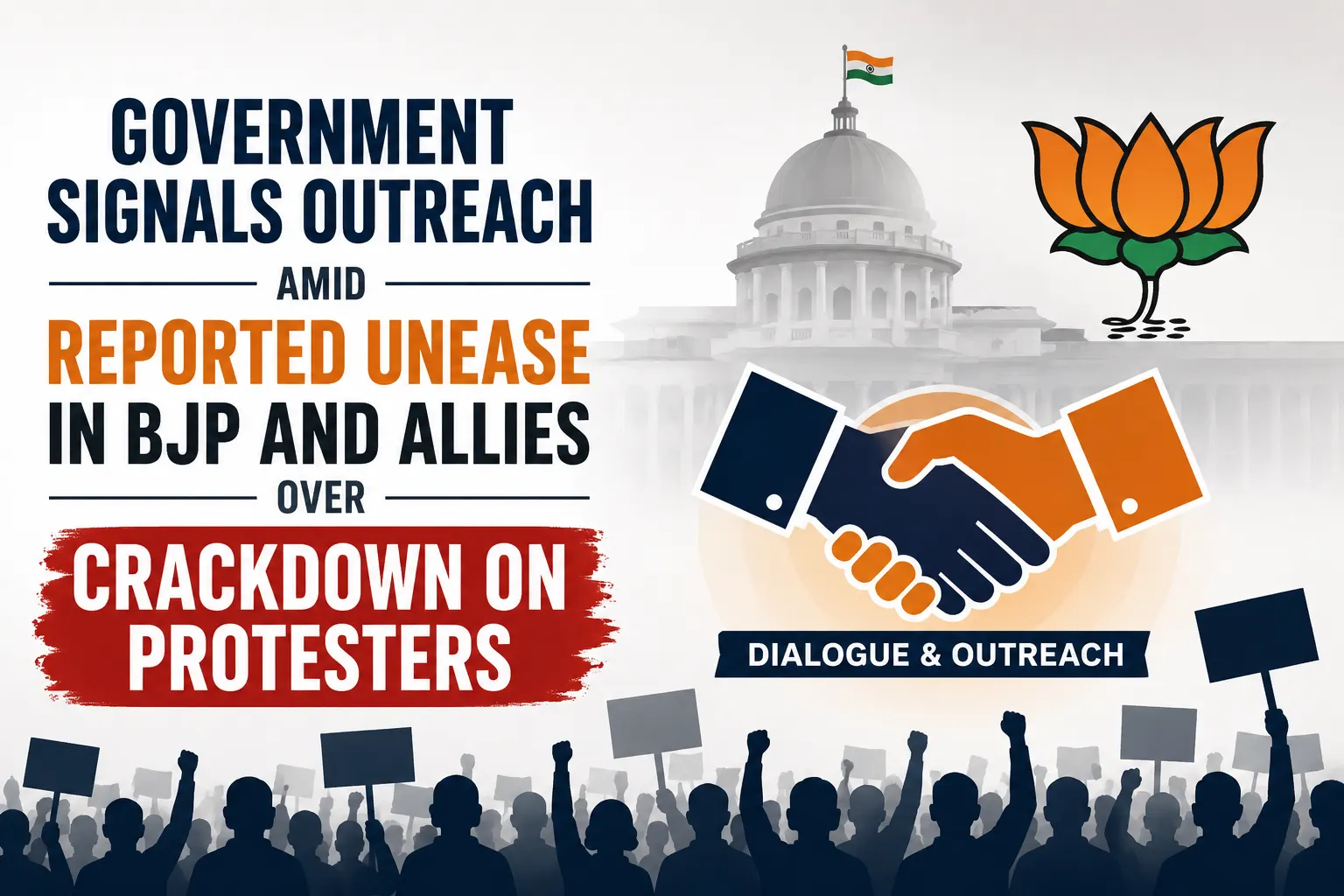
Alongside reports of internal concerns, the government has signaled its readiness to engage with stakeholders through dialogue and outreach.
Political engagement is often viewed as an important complement to administrative action, particularly when public protests involve issues with significant social or political dimensions.
By emphasizing communication, governments can seek to reduce misunderstandings, encourage constructive participation, and explore mutually acceptable solutions while continuing to uphold public order.
Balancing Law Enforcement and Democratic Rights
Managing public demonstrations requires governments to balance two important responsibilities: ensuring public safety and protecting democratic freedoms.
Law enforcement agencies are tasked with maintaining peace, preventing violence, and safeguarding public property. At the same time, peaceful protest remains an established democratic means through which citizens express concerns and advocate for policy changes.
Achieving this balance often requires careful decision-making, proportional enforcement, and continued dialogue with affected groups.
Political Significance
The reported developments come at a time when public opinion, coalition dynamics, and governance remain closely interconnected.
For ruling parties, maintaining unity among alliance partners while responding effectively to public concerns is an important aspect of political management. Outreach initiatives can help reduce tensions, preserve political consensus, and demonstrate responsiveness to evolving circumstances.
The situation also illustrates how governments may adjust their strategies as political and administrative conditions develop.
Why the Issue Matters
The manner in which governments respond to public protests can have lasting implications for governance, institutional trust, and political stability.
Constructive engagement may contribute to reducing confrontation and building confidence between authorities and affected communities. Conversely, prolonged disputes can increase uncertainty and deepen divisions if communication channels remain limited.
As a result, dialogue is often considered an important tool alongside enforcement measures.
Balanced Analysis
The reported unease within sections of the BJP and its allies, together with the government's signals of outreach, suggests an effort to reassess how ongoing public concerns are addressed.
While governments have a legitimate responsibility to maintain law and order, democratic systems also rely on meaningful engagement with citizens and stakeholders. Any long-term resolution is likely to depend on transparent communication, adherence to legal processes, and a willingness from all sides to participate in constructive dialogue.
Because the reported concerns involve internal political discussions, the full extent of differing viewpoints may become clearer as official statements and policy decisions emerge.
Conclusion
The government's indication that it is prepared to pursue outreach alongside reports of concerns within the ruling alliance reflects the complex balance between governance, political consensus, and democratic engagement.
As discussions continue, observers will closely watch whether dialogue leads to practical solutions while ensuring that law enforcement, constitutional rights, and public confidence remain appropriately balanced.