The monsoon session of the Indian Parliament is set to conclude today, marked by a prolonged deadlock between the government and the opposition. The session, which began on July 21, has been marred by frequent disruptions and protests from opposition members.
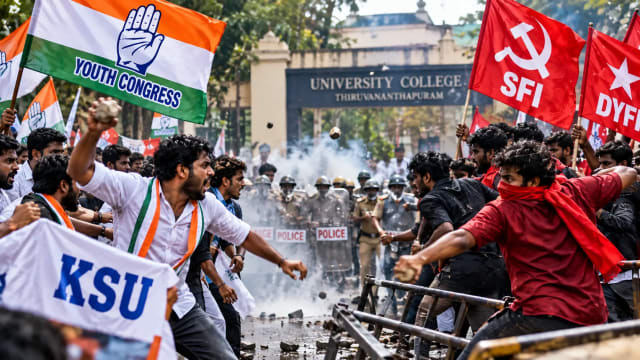
The opposition's demands for discussions on various issues, including alleged police brutality and the Ayodhya Ram Mandir donation row, have been met with resistance from the government. The opposition has also been seeking a statement from Home Minister Amit Shah on the alleged police excesses during a protest at Jantar Mantar on July 20.
What Is Actually Going On
The current standoff between the government and the opposition is centered around the opposition's demands for discussions on several key issues. The opposition has been protesting against the government's alleged failure to address their concerns, including the issue of police brutality and the Ayodhya Ram Mandir donation row.
The government, on the other hand, has been accused of avoiding discussions on these issues and instead pushing through its legislative agenda. The opposition has alleged that the government is trying to undermine democratic values and avoid accountability.
The Parliament has cleared at least 19 bills during the session, including the Bill to rename Kerala as Keralam and the NCDC Amendment Bill. However, the opposition has accused the government of passing these bills without proper discussion and debate.
The Home Minister, Amit Shah, has offered to answer questions from the opposition on the student protest concerning the NEET paper leak. However, the opposition has rejected this offer, citing the government's lack of willingness to engage in meaningful discussions.
How It Works
The Indian Parliament is composed of two houses: the Lok Sabha and the Rajya Sabha. The monsoon session is one of the three sessions of Parliament that are held each year. During this session, members of Parliament debate and discuss various issues, including legislative bills and policy matters.
The opposition's demands for discussions on certain issues are made through various channels, including written notices and verbal requests to the Speaker of the Lok Sabha. The government, on the other hand, can respond to these demands by agreeing to discussions or rejecting them.
- The opposition submits a notice for a discussion on a particular issue.
- The Speaker of the Lok Sabha considers the notice and decides whether to allow the discussion.
- The government responds to the opposition's demands, either by agreeing to a discussion or rejecting it.
Who This Affects
The current deadlock between the government and the opposition affects a wide range of stakeholders, including the general public, students, and civil society organizations. The opposition's demands for discussions on issues such as police brutality and the Ayodhya Ram Mandir donation row are of particular concern to these groups.
The student community, in particular, has been affected by the government's handling of the NEET paper leak issue. The opposition's demands for a discussion on this issue are seen as an attempt to hold the government accountable for its actions.
Civil society organizations have also been critical of the government's handling of various issues, including the Ayodhya Ram Mandir donation row. The opposition's demands for discussions on these issues are seen as an attempt to promote transparency and accountability.
What It Does Not Mean
The current deadlock between the government and the opposition does not necessarily mean that the government is not willing to engage in discussions. The government has offered to discuss certain issues, including the NEET paper leak, but the opposition has rejected these offers.
Similarly, the opposition's demands for discussions on certain issues do not necessarily mean that they are not willing to cooperate with the government. The opposition has accused the government of avoiding discussions and undermining democratic values, but they have also expressed a willingness to engage in meaningful discussions.
Common Questions
What is the main issue behind the current deadlock?
The main issue behind the current deadlock is the opposition's demands for discussions on various issues, including alleged police brutality and the Ayodhya Ram Mandir donation row. The government's handling of these issues has been criticized by the opposition, leading to a standoff between the two sides.
Will the monsoon session be extended?
There is a possibility that the monsoon session may be extended, depending on the outcome of the current deadlock. The government has indicated that it is willing to extend the session if the opposition agrees to a discussion on certain issues.
What are the implications of the current deadlock?
The current deadlock has significant implications for the functioning of the Indian Parliament and the democratic process as a whole. The opposition's demands for discussions on certain issues are seen as an attempt to promote transparency and accountability, while the government's handling of these issues has been criticized as an attempt to undermine democratic values.
The Bottom Line
The current deadlock between the government and the opposition is a complex issue with significant implications for the functioning of the Indian Parliament and the democratic process as a whole. The opposition's demands for discussions on certain issues are seen as an attempt to promote transparency and accountability, while the government's handling of these issues has been criticized as an attempt to undermine democratic values.
The outcome of the current deadlock will depend on the ability of the two sides to engage in meaningful discussions and find a way forward. The government's willingness to extend the monsoon session and engage in discussions on certain issues is a positive step, but the opposition's demands for accountability and transparency must also be addressed.