Thackeray Questions Modi’s Priorities
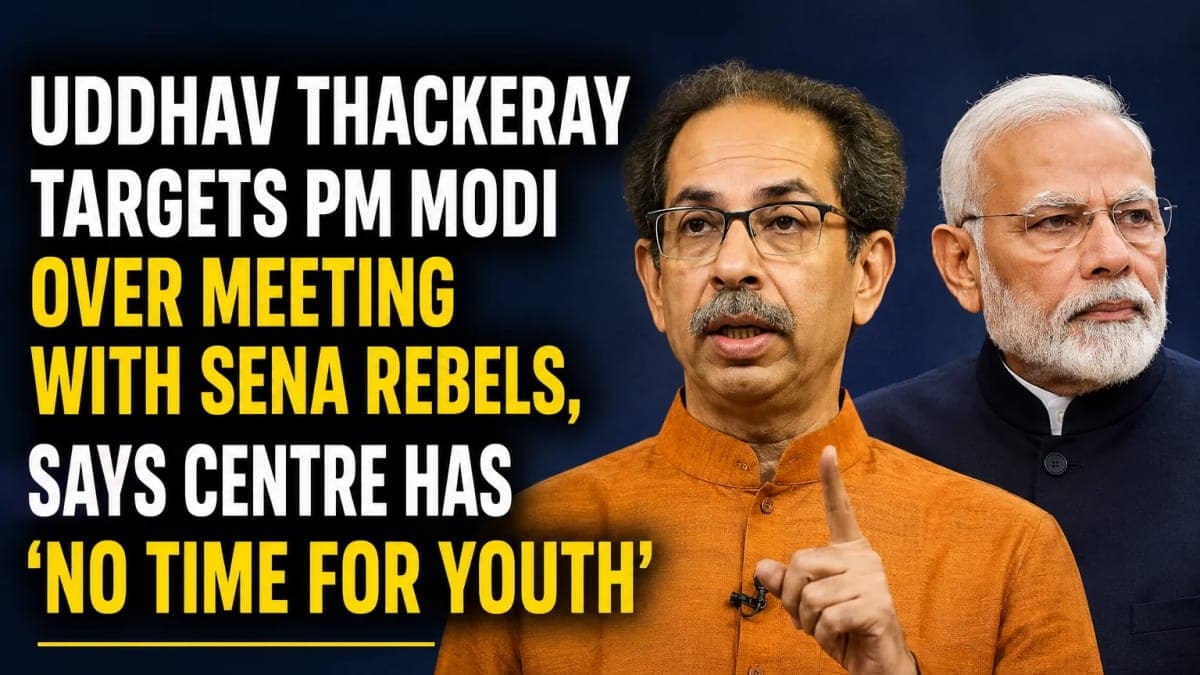
Shiv Sena (UBT) chief Uddhav Thackeray has stepped up his attack on Prime Minister Narendra Modi after the Prime Minister met lawmakers who recently broke away from Thackeray’s party and aligned themselves with the Eknath Shinde-led Shiv Sena.
Thackeray questioned why the Prime Minister had time to interact with political defectors while, according to him, the concerns and aspirations of young Indians were not receiving comparable attention.
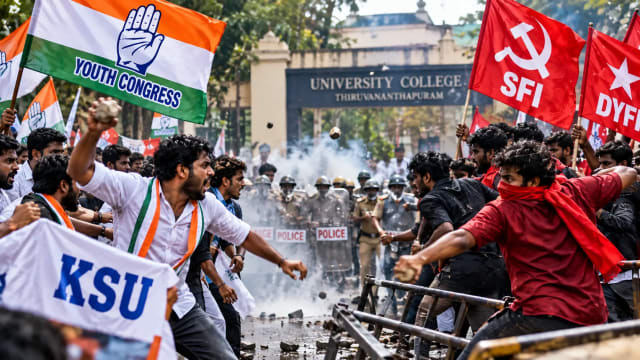
His criticism comes against the backdrop of recent youth-led political mobilisation and protests, which opposition parties have sought to use to put pressure on the central government.
Meeting With NDA MPs Becomes Political Flashpoint
Prime Minister Modi recently held a breakfast interaction with NDA MPs, including lawmakers who had moved away from Shiv Sena (UBT). The meeting was part of broader engagement with parliamentarians belonging to the ruling coalition.
During interactions with NDA lawmakers, Modi stressed coalition unity and the importance of maintaining a collective political identity.
For Thackeray, however, the presence of former UBT MPs gave the meeting a different political significance. He portrayed the engagement as evidence that the BJP-led establishment was willing to give considerable attention to lawmakers who had switched political camps.
Thackeray Links Meeting to Supreme Court Battle
Thackeray went further by suggesting that the timing and optics of the Prime Minister’s interaction with the rebel lawmakers could amount to a political “signal” while disputes involving the rival Shiv Sena factions remain under judicial consideration.
That assertion represents Thackeray’s political interpretation of the meeting. There is no established evidence that the Prime Minister’s interaction with the MPs was intended to influence or communicate with the Supreme Court.
The distinction is significant because the legal battle surrounding the Shiv Sena split continues to involve questions over political allegiance, parliamentary recognition and the competing claims of the Thackeray and Shinde camps.
Supreme Court Proceedings Add to Political Stakes
The Supreme Court has recently issued notices to Lok Sabha Speaker Om Birla, the Lok Sabha Secretariat and six rebel MPs following a petition filed by the Shiv Sena (UBT) camp challenging the recognition of the MPs’ move to the Shinde-led faction.
The dispute represents another chapter in the prolonged legal and political confrontation that followed the split in the Shiv Sena.
Six of Shiv Sena (UBT)’s nine Lok Sabha MPs had moved towards the Shinde faction in June, dealing a significant blow to Thackeray’s parliamentary strength.
Youth Politics Becomes Part of Thackeray’s Attack
Thackeray’s reference to young people is also politically significant.
He has recently sought to associate himself with youth-led protests and has praised young demonstrators for challenging the government. By contrasting the Prime Minister’s meeting with defectors against the concerns of younger citizens, Thackeray is attempting to connect Maharashtra’s factional political battle with a wider national debate over youth representation and government accountability.
The strategy could allow Shiv Sena (UBT) to frame its confrontation with the BJP and Shinde Sena as something broader than a dispute over the Shiv Sena organisation.
Why the Modi-Rebel MPs Meeting Matters
The political importance of the meeting lies partly in its symbolism.
For the Shinde-led Shiv Sena, the participation of former UBT lawmakers in an interaction with the Prime Minister reinforces their integration into the NDA political structure.
For Thackeray’s faction, those same images can be used to argue that defections from opposition parties ultimately strengthen the ruling coalition.
The controversy therefore operates on two levels: an internal battle over the Shiv Sena’s political legacy and a wider opposition argument about party defections and the concentration of political power.
Balanced Analysis
A meeting between the Prime Minister and MPs belonging to the governing NDA is not, by itself, unusual. Coalition coordination and interactions with parliamentarians are a routine part of national politics.
Thackeray’s allegation that the meeting was intended as a “signal” to the Supreme Court should therefore be understood as a political claim rather than a demonstrated fact.
At the same time, the timing gives the interaction heightened political sensitivity because litigation connected with the movement of Shiv Sena (UBT) MPs remains active.
The episode also demonstrates how the Shiv Sena conflict has evolved beyond Maharashtra. What began as a battle over control of the party has expanded into disputes involving parliamentary recognition, coalition politics and constitutional litigation.
Ultimately, the legal questions will be determined through judicial proceedings, while the political consequences will depend on whether Thackeray can turn the loss of lawmakers into a broader argument about defections, democratic accountability and the concerns of younger voters.
This article is based on reporting published by Hindustan Times.