Why the BJP Turned to JP Nadda as CJP Protests Gathered Pace
Party Leadership Takes Center Stage During Escalating Protests
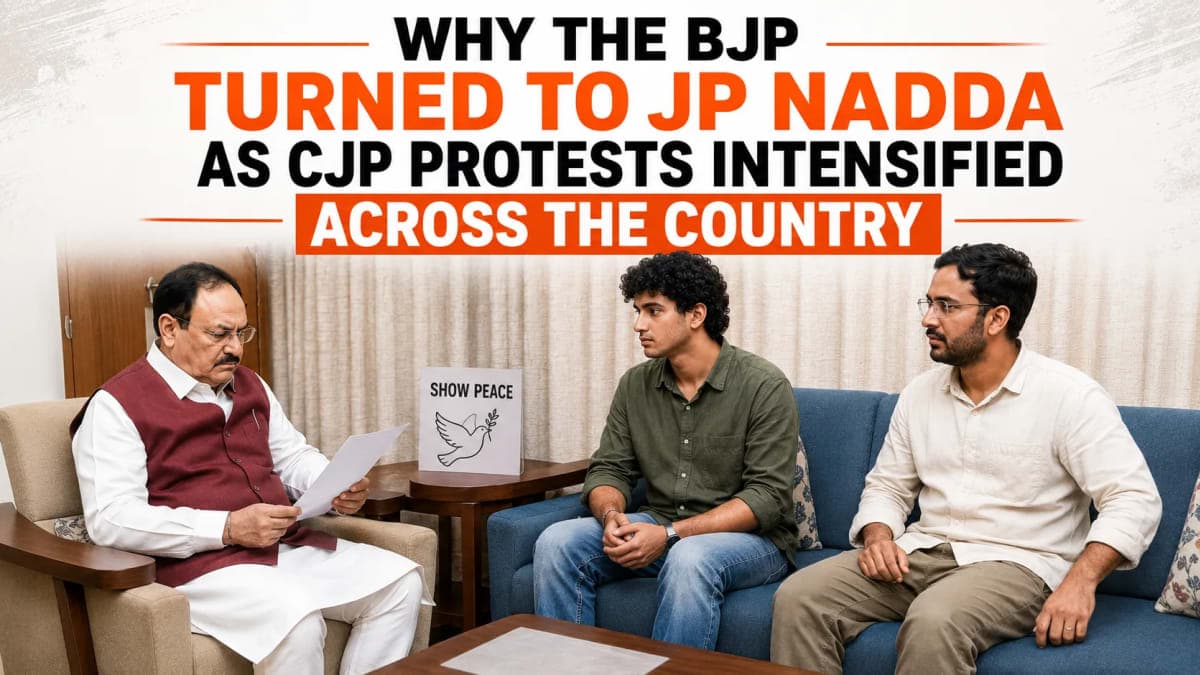
As protests linked to the Cockroach Janta Party (CJP) expanded across multiple cities, the Bharatiya Janata Party (BJP) shifted greater responsibility to its national president, JP Nadda, to lead the political response.
With the demonstrations attracting widespread national attention and opposition parties intensifying criticism of the government, the BJP sought to present a coordinated message through its senior organizational leadership. Nadda's growing role reflected the party's effort to address political concerns while reinforcing its public narrative during a rapidly evolving situation.
Why JP Nadda Became the BJP's Key Political Voice
The expanding protests created both administrative and political challenges. While governments at various levels focused on maintaining law and order, the BJP also needed a senior leader capable of responding to opposition criticism and reassuring party workers.
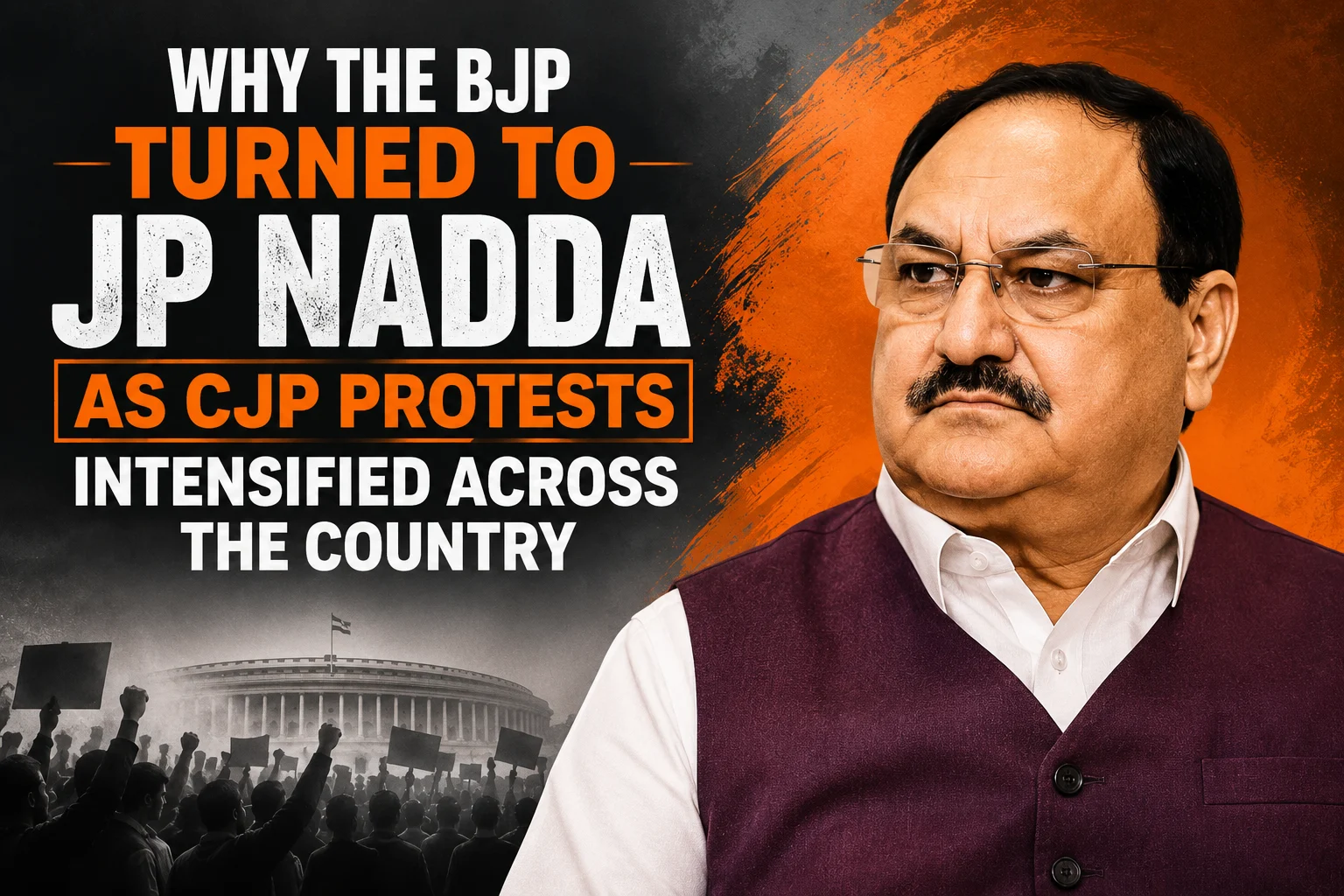
As the party president, JP Nadda occupies a position that combines organizational authority with political influence. His involvement allowed the BJP to centralize communication, engage with allies, and project a unified response while government ministries continued handling administrative aspects of the situation.
Political observers noted that assigning Nadda a prominent role helped distinguish party messaging from official government actions.
Managing the Political Narrative
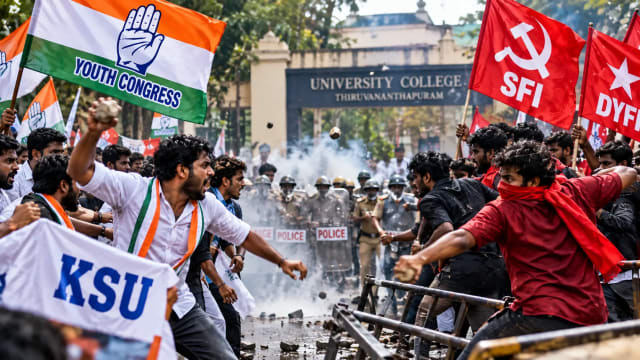
As visuals of protests and police action circulated widely, public debate increasingly moved beyond the original demands of the demonstrators. The opposition accused the government of mishandling the situation, while the BJP argued that maintaining public order remained essential.
In this environment, Nadda's interventions focused on defending the government's position, responding to criticism from opposition leaders, and emphasizing the BJP's broader commitment to governance and stability.
His appearances also helped maintain regular communication with party workers and regional leadership as demonstrations continued in several states.
Background: CJP Protests Become a National Political Issue
What began as a movement centered on education-related grievances gradually developed into a nationwide political confrontation.
The protests witnessed repeated demonstrations, detentions, allegations of excessive force, legal challenges, and sustained exchanges between the ruling alliance and opposition parties. Public figures, student organizations, and civil society groups also became involved, increasing national attention.
As the movement expanded, the BJP's political strategy evolved from relying primarily on government responses to incorporating stronger organizational messaging through senior party leaders.
Why This Matters
The decision to place JP Nadda at the forefront highlights the distinction between government administration and political communication during periods of national controversy.
By relying on its party president, the BJP sought to consolidate its political messaging while allowing ministers and government agencies to continue addressing operational and administrative issues.
The development also demonstrates how major protest movements often require parallel responses—one focused on governance and another on political engagement.
Balanced Analysis
The BJP's decision to elevate JP Nadda's role reflects a strategic effort to manage an increasingly complex political environment. Supporters argue that strong organizational leadership helps maintain clarity during periods of public unrest and prevents mixed messaging.
Critics, however, contend that political communication alone cannot address concerns raised by protesters and have continued to call for greater accountability and dialogue.
As the protests and political reactions continue to unfold, the effectiveness of the BJP's strategy will likely be judged by its ability to balance public communication, governance, and engagement with the issues raised by demonstrators.