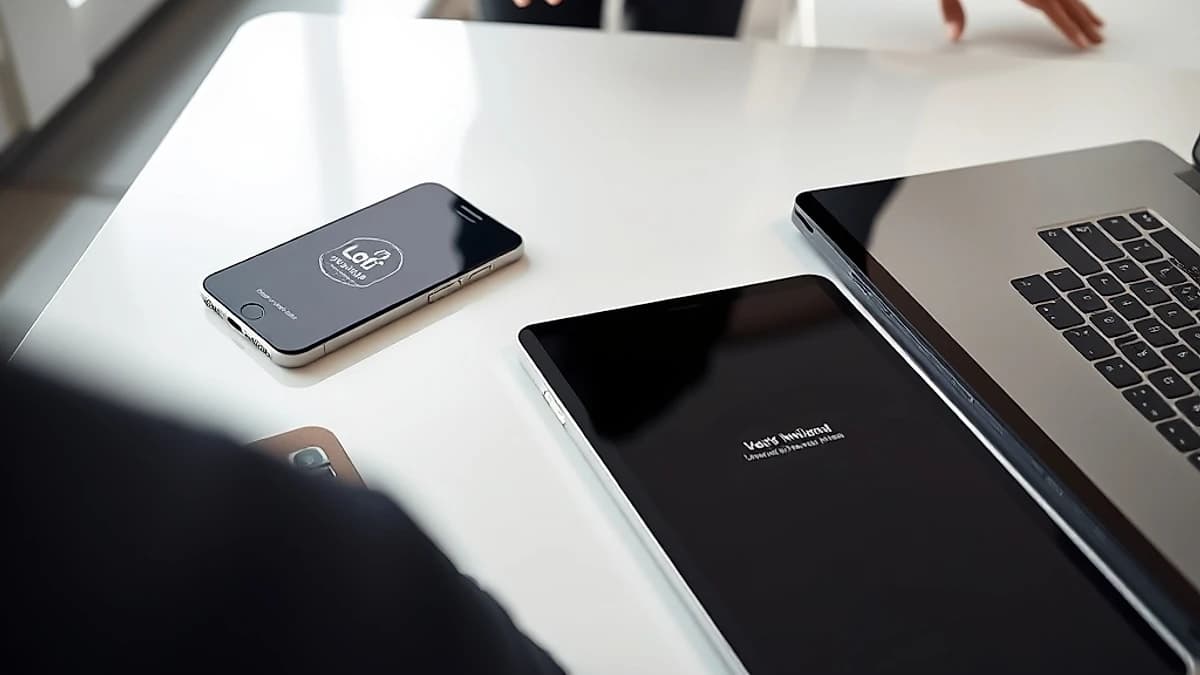
Apple has begun pushing lock‑screen warnings to iPhone, iPad and Mac owners it believes are being pursued by a high‑grade mercenary spyware campaign. The alerts, which appear directly on the device’s lock screen, tell recipients that their hardware may have been compromised and outline immediate protective actions.
The company says the notification round‑up covers users in 110 countries, adding to earlier alerts that have reached more than 150 nations since the program’s inception. The scale of the effort underscores Apple’s growing willingness to intervene when sophisticated surveillance tools threaten its ecosystem.
Overview
In a brief message displayed on the lock screen, Apple informs the user that a “mercenary spyware attack” has been detected and that steps can be taken to safeguard data. The notification mirrors earlier alerts but expands the geographic reach, reflecting a broader intelligence picture that suggests the spyware is being deployed across a wide array of jurisdictions.
Apple has also refreshed a support article on its website, clarifying that future warnings will appear on lock screens and providing a concise guide on how to respond. The updated page directs users toward Apple’s recommended actions, which include enabling the device’s Lockdown Mode and seeking expert assistance via the Digital Security Helpline run by the nonprofit Access Now.
The Detail
The lock‑screen message reads: “Apple detected a mercenary spyware attack targeted at your iPhone. There are actions you can take now to protect your data and device.” While Apple does not disclose the specific malware family, the term “mercenary spyware” typically refers to commercial surveillance tools sold to governments or other actors for targeted espionage.
Apple’s blog post accompanying the rollout advises users to enable Lockdown Mode—a hardened security setting that limits many of the device’s functionalities to reduce attack surface. The company also urges recipients to enlist professional help, specifically pointing to the 24/7 Digital Security Helpline offered by Access Now, a nonprofit that provides rapid‑response security assistance.
Recommended steps
Apple’s guidance lists several concrete actions: updating the operating system to the latest version, changing passwords, reviewing app permissions, and, most prominently, turning on Lockdown Mode. The blog also notes that external organizations, even without full visibility into Apple’s internal detection mechanisms, can still offer personalized security advice to affected users.
John Scott‑Railton, a senior researcher at the Citizen Lab, echoed Apple’s advice on X, stating that enabling Lockdown Mode is among the most effective ways to make a device harder to compromise. His comment reflects a broader consensus among security researchers that the feature provides a strong defensive barrier against sophisticated intrusion attempts.
The Context
Mercenary spyware has risen to prominence in recent years, with high‑profile cases involving tools such as Pegasus and others that can infiltrate smartphones, extract messages, and activate microphones without user knowledge. These tools are typically sold to state actors, law‑enforcement agencies, or private contractors seeking to conduct covert surveillance.
Apple’s security architecture—centered on hardware‑based encryption, a tightly controlled app ecosystem, and regular software updates—has historically positioned the company as a defender against such threats. The introduction of Lockdown Mode in iOS 16 was a direct response to the growing prevalence of zero‑click exploits that can bypass traditional defenses.
By extending its warning system to lock screens, Apple moves from a passive notification model (email or web‑based alerts) to an active, real‑time approach that reaches users even if they have not yet logged into their accounts. This shift aligns with industry trends where platform providers take a more hands‑on role in threat mitigation.
Access Now, the nonprofit cited by Apple, has built a reputation for providing emergency digital‑security assistance to journalists, activists, and at‑risk individuals. Its 24/7 helpline offers guidance on device hardening, safe communication practices, and, when necessary, forensic analysis of compromised hardware.
The Other Side
Critics argue that Apple’s notifications, while well‑intentioned, may cause unnecessary alarm among users who lack the technical expertise to assess the severity of a threat. The vague phrasing—referring only to “mercenary spyware” without naming a specific family—leaves room for speculation and could lead to panic.
Privacy advocates also note that Apple’s ability to detect such attacks raises questions about the data sources and analytics used to flag devices. The company has not disclosed whether the alerts stem from on‑device telemetry, external threat‑intel feeds, or a combination of both, prompting calls for greater transparency.
Finally, the reliance on a third‑party helpline, while valuable, may not be accessible to all users, particularly those in regions with limited internet connectivity or language barriers. The effectiveness of the recommended steps also hinges on users promptly installing software updates, a behavior that remains inconsistent across the global iOS user base.
Key Takeaways
Apple has issued lock‑screen warnings to users in 110 countries about a suspected mercenary spyware campaign.
The alerts advise enabling Lockdown Mode, updating software, and contacting Access Now’s Digital Security Helpline.
Apple’s updated support article now explicitly states that future threat notifications will appear on lock screens.
Security researchers consider Lockdown Mode one of the strongest defenses against zero‑click exploits.
Transparency around detection methods and the potential for user alarm remain points of contention.
Where This Goes
Apple’s proactive stance may set a precedent for other platform providers to adopt real‑time, lock‑screen threat alerts. As surveillance tools become more sophisticated, users could see a wave of similar notifications across operating systems, prompting broader industry collaboration on rapid response mechanisms.
In the longer term, the episode could pressure Apple to disclose more details about its detection capabilities, while also encouraging governments and NGOs to bolster digital‑security support structures for individuals targeted by state‑level espionage tools.
This article is based on reporting published by livemint.