Rahul Gandhi Opens Up About His Fitness Journey
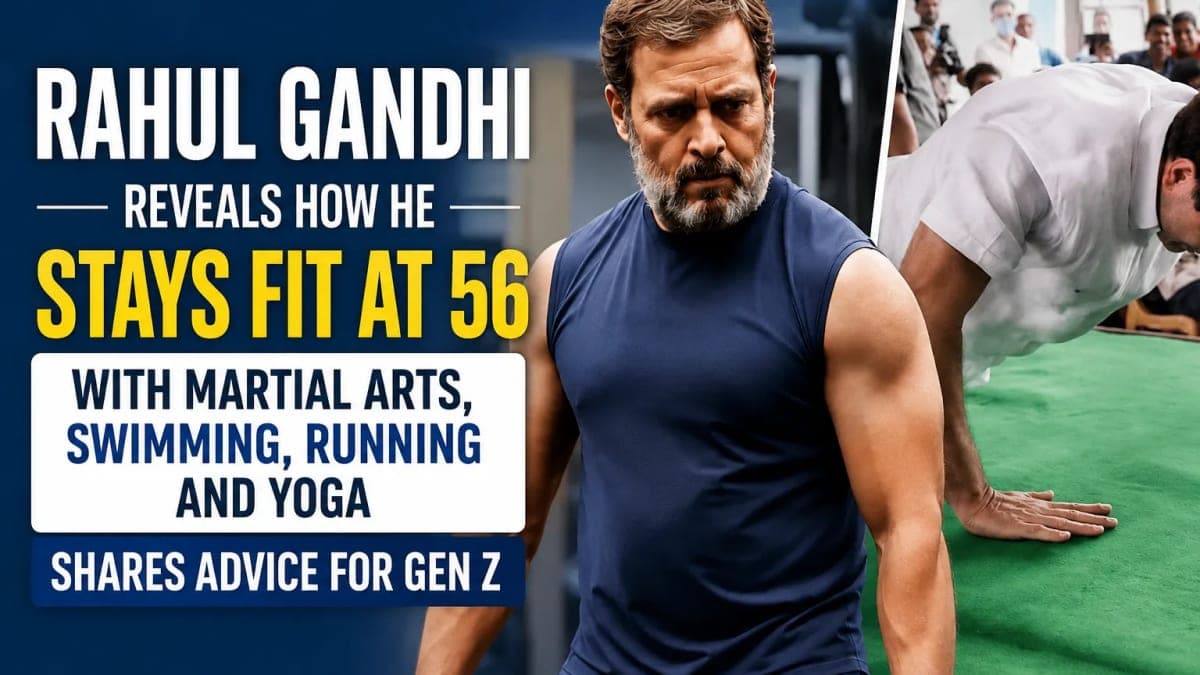
Rahul Gandhi has revealed some of the physical activities behind his fitness at 56, highlighting a routine that combines different forms of exercise rather than relying on a single workout.
The Congress leader's approach includes martial arts, swimming, running and yoga. Together, these activities represent a varied fitness routine involving movement, endurance and physical training.
His comments have attracted attention not because of a new political announcement, but because they offer a personal look at how a senior political figure approaches fitness while handling a demanding public schedule. Recent reporting on his remarks also highlighted persistence and continuity as central themes in his fitness message.
Martial Arts Remain Part of His Fitness Approach
Martial arts stand out as one of the notable elements of Gandhi's fitness journey.
His association with martial arts is not new. Gandhi has previously spoken publicly about practising martial arts, including during the Bharat Jodo Yatra. Earlier reporting has also documented his training in Aikido.
This background gives additional context to his latest fitness remarks. Rather than being presented simply as an occasional workout, martial arts have remained a recurring part of his public discussions about physical activity.
Swimming and Running Add Variety
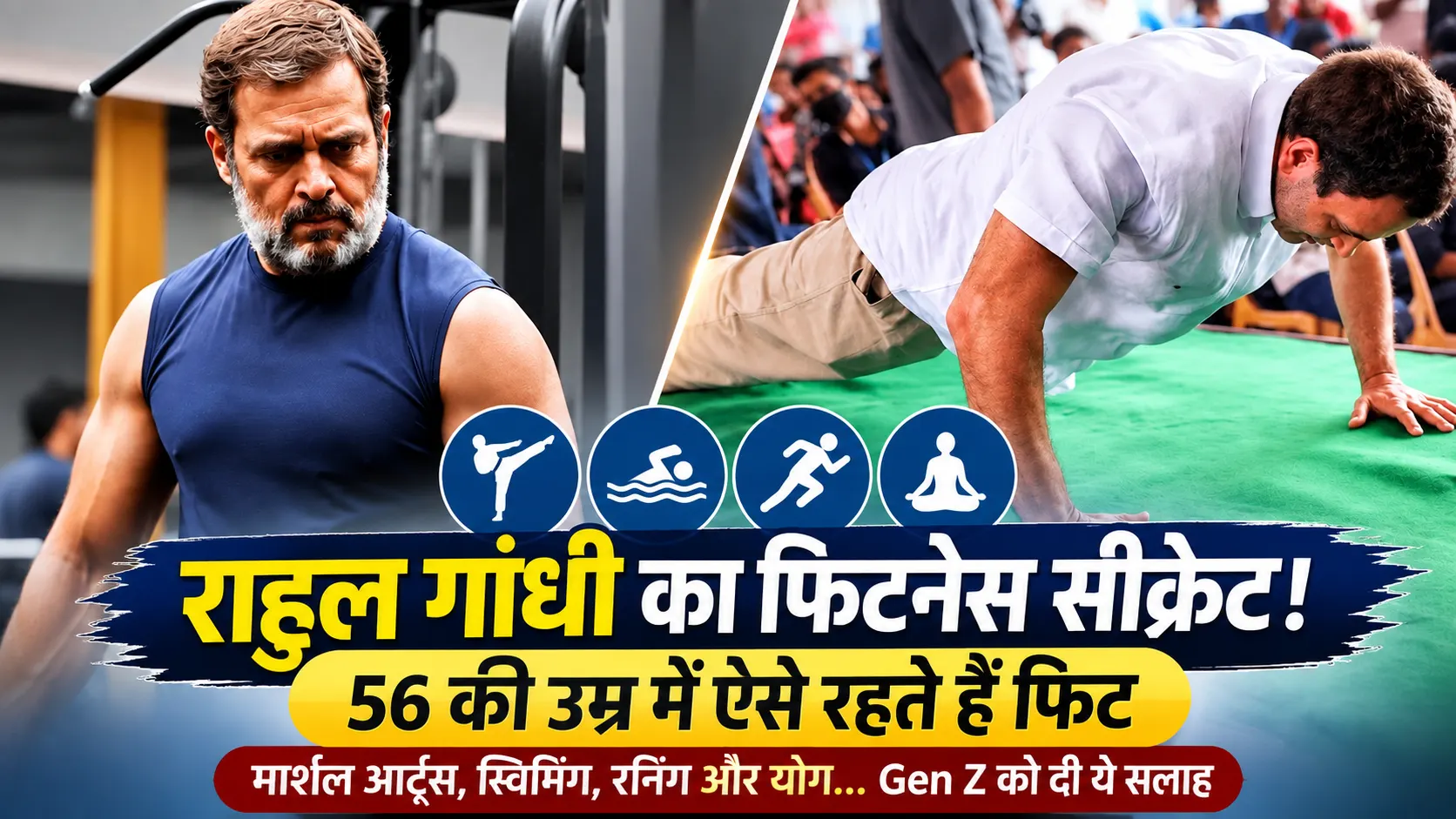
Swimming and running are also among the activities Gandhi identified as part of the way he stays fit.
The combination indicates an approach based on different forms of movement. Instead of concentrating exclusively on gym-based training, his stated routine incorporates activities that can provide different physical challenges.
For someone with a schedule shaped by political meetings, travel and public appearances, maintaining several forms of exercise also underlines the role of making physical activity a regular priority.
Yoga Becomes Another Part of the Mix
Yoga is another element Gandhi identified while discussing his fitness.
Its inclusion alongside martial arts, running and swimming makes his overall approach notably varied. The activities are different in nature, but collectively they illustrate how fitness can involve multiple forms of physical movement rather than one fixed exercise format.
The larger message emerging from his comments is therefore less about following one particular sport and more about continuing to remain physically engaged.
Rahul Gandhi's Message for Gen Z
Gandhi also used the discussion to address younger people, particularly Gen Z.
The central idea behind his advice is consistency. Recent reporting on his remarks says he emphasised persistence and continuing with fitness over time.
That message is significant because fitness trends among younger audiences can frequently revolve around new workout formats, online challenges and changing routines. Gandhi's comments instead place attention on the simpler principle of continuing to exercise consistently.
His own combination of martial arts, swimming, running and yoga serves as an example of how physical activity can take several forms while remaining part of a broader routine.
Why Rahul Gandhi's Fitness Comments Matter
Politicians are generally discussed through the lens of elections, parliamentary debates and policy disputes. Personal conversations about exercise provide a different view of public figures and can reach audiences that may not ordinarily engage with political content.
The Gen Z angle makes the conversation particularly noteworthy. By discussing fitness in familiar and accessible terms, Gandhi's message moves beyond conventional political communication and into an area of everyday life relevant to younger audiences.
At the same time, an individual public figure's exercise habits should not be treated as a universal fitness programme. People's appropriate levels and forms of exercise vary according to factors such as age, physical capacity, experience and circumstances.
A Fitness Journey Built Around Staying Active
Rahul Gandhi's comments ultimately present fitness as an ongoing process rather than a short-term target.
At 56, his stated mix of martial arts, swimming, running and yoga demonstrates a preference for variety, while his advice to younger people centres on maintaining the habit.
For Gen Z, the broader takeaway from his message is straightforward: finding ways to stay physically active matters, but continuing those habits over time may be more important than constantly searching for the next fitness trend.