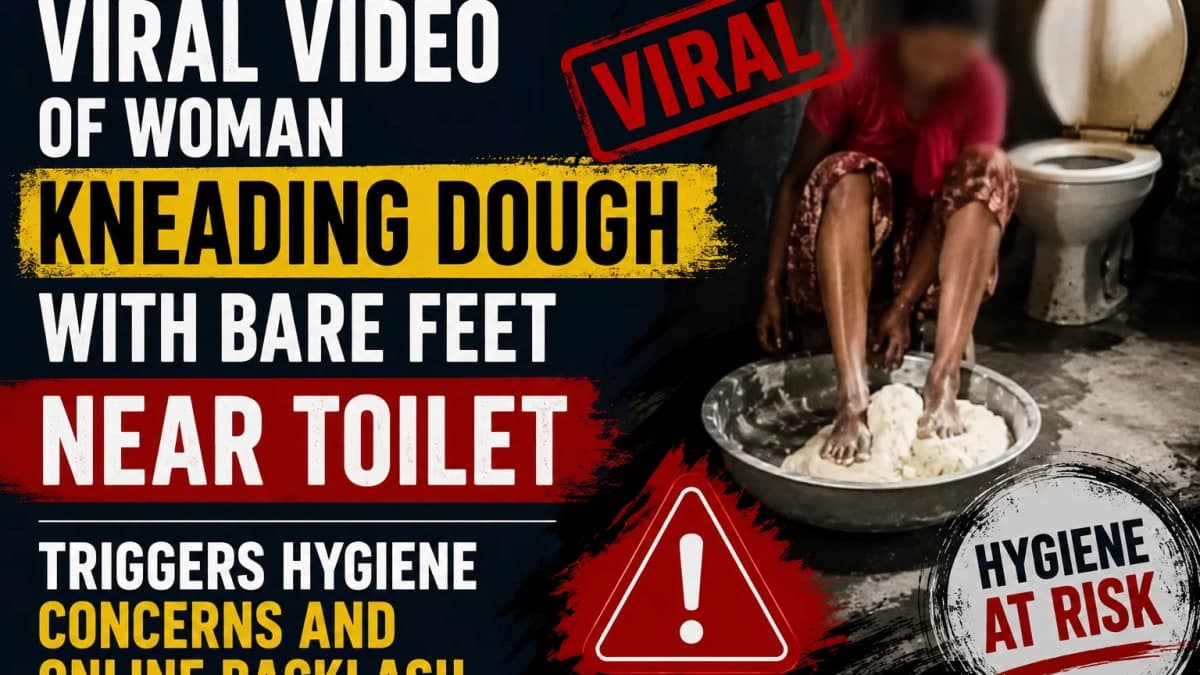
Viral Video of Woman Kneading Dough With Bare Feet Near Toilet Sparks Hygiene Debate Online
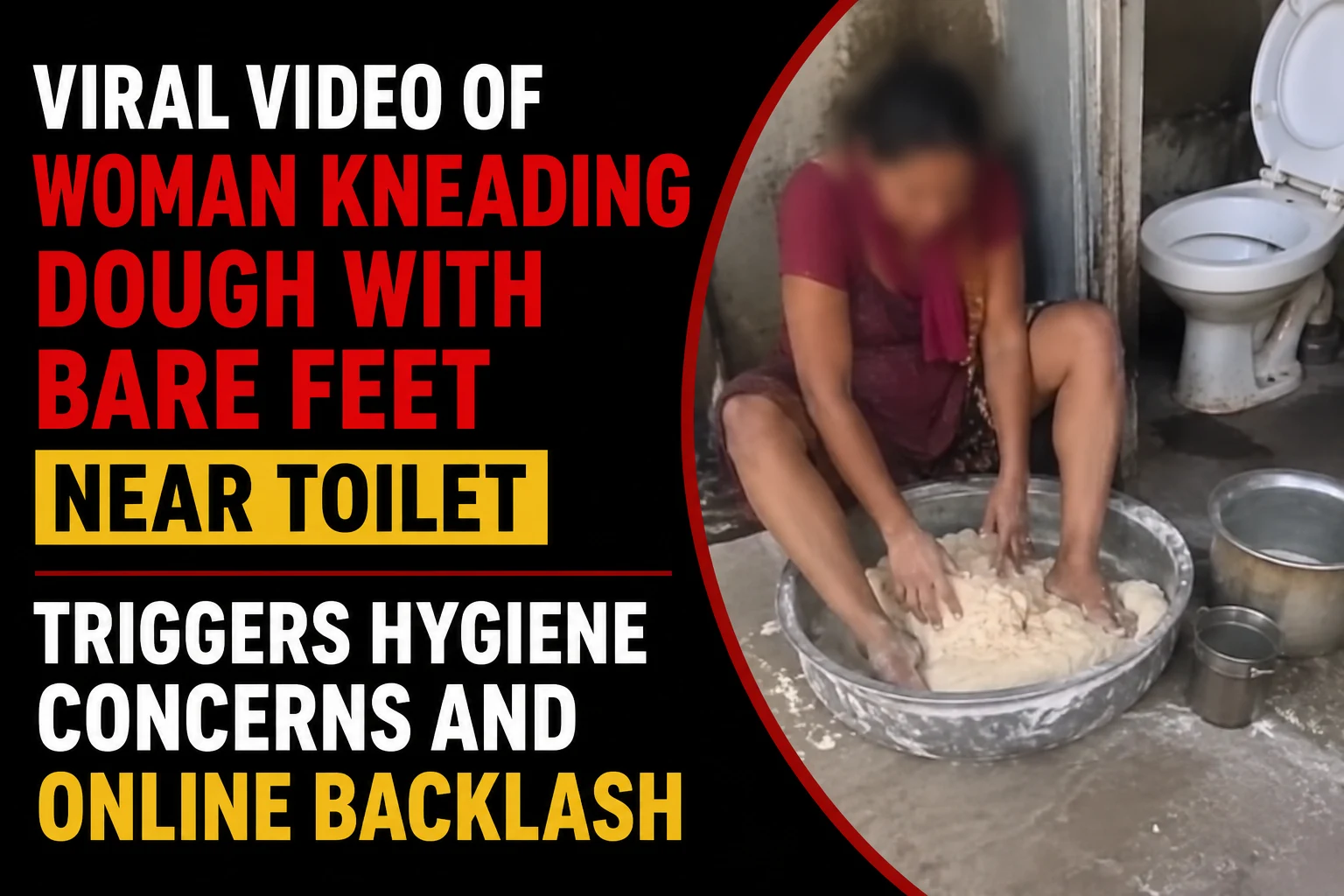
A video circulating widely on social media has ignited a wave of criticism after appearing to show a woman kneading dough with her bare feet in a location reportedly adjacent to a toilet. The footage quickly gained traction online, leading to intense discussions about food hygiene, sanitation, and public health.
Many users reacted with disbelief and concern, with some sharing the clip alongside messages advising people to avoid eating at establishments with questionable hygiene practices. Among the most widely circulated reactions was the phrase, "Do Not Travel To India," which spread rapidly across social media platforms and intensified debate. However, the video's exact location, date, and circumstances have not been independently verified.
Social Media Amplifies Public Reaction
The clip generated thousands of comments within a short period, with users expressing concern over the cleanliness of food preparation environments. Others urged authorities to investigate if the footage accurately represented commercial food production.
The incident also highlighted how viral videos can quickly shape public perception, especially when they involve health and safety concerns. While many viewers accepted the footage at face value, others cautioned against making sweeping conclusions without verified information.
Why Food Hygiene Matters
Food preparation standards are designed to reduce contamination risks and protect consumers from foodborne illnesses. Proper sanitation practices—including clean workspaces, safe handling procedures, and personal hygiene—are fundamental requirements in restaurants, bakeries, and commercial kitchens.
When videos depicting alleged violations circulate online, they often raise broader questions about regulatory enforcement and public confidence in food safety systems.
Concerns Over Generalizations
Although the viral clip triggered strong reactions, several observers noted that isolated incidents should not automatically be viewed as representative of an entire country, industry, or community. Public health experts frequently emphasize that verified investigations are essential before assigning responsibility or drawing broad conclusions.
Social media trends can amplify emotionally charged content, making it important to distinguish between confirmed facts and assumptions based on limited information.
Broader Impact
The incident reflects the growing influence of digital platforms in exposing potential health concerns while also demonstrating the challenges posed by unverified viral content. Businesses, regulators, and consumers increasingly rely on transparency and accountability, but misinformation can spread just as rapidly as genuine public-interest reports.
If authorities determine that the footage depicts an actual violation, it could prompt further scrutiny of food safety practices and reinforce the importance of maintaining strict hygiene standards in food preparation.
Balanced Analysis
The viral video has undoubtedly raised awareness about food hygiene and sanitation, issues that directly affect consumer trust. At the same time, the online response underscores the need for caution when interpreting unverified footage. Responsible reporting and official investigations remain essential to establishing the facts and ensuring that legitimate concerns are addressed without unfairly stigmatizing individuals, businesses, or broader communities.