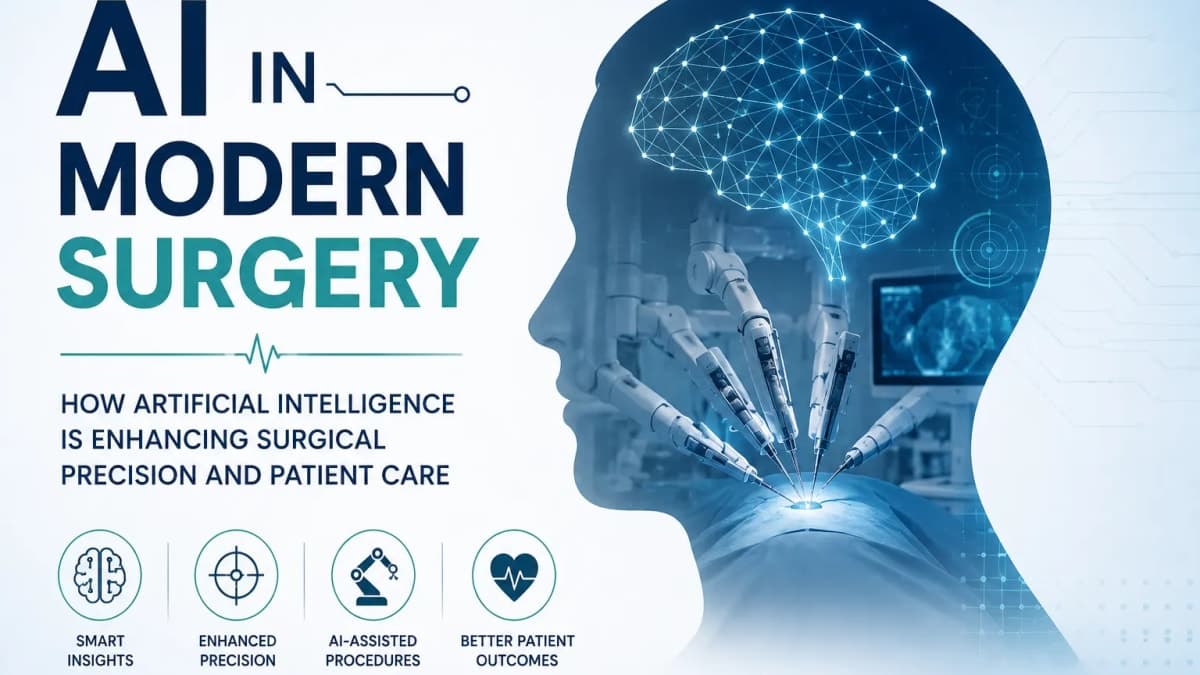
AI in Modern Surgery: How Artificial Intelligence Is Enhancing Surgical Precision and Patient Care
Artificial intelligence (AI) is rapidly transforming healthcare, and one of its most promising applications is in the field of surgery. From assisting doctors in planning complex procedures to providing real-time guidance in operating rooms, AI is helping surgeons perform operations with greater precision, efficiency, and confidence.
Rather than replacing medical professionals, AI is acting as an advanced decision-support system that analyzes vast amounts of medical data, identifies patterns that may not be immediately visible, and helps surgeons make more informed decisions before, during, and after surgery.
As hospitals around the world continue investing in digital healthcare technologies, AI-powered surgical systems are becoming an increasingly important part of modern medicine.
How AI Is Improving Surgical Precision
One of AI's biggest strengths lies in its ability to process medical images, patient records, and surgical data within seconds. Before an operation begins, AI can assist surgeons by creating detailed anatomical maps, identifying high-risk areas, and helping plan the safest surgical approach.
During surgery, AI-enabled systems can analyze live imaging and provide real-time insights that help surgeons navigate delicate structures such as nerves, blood vessels, and organs. This additional layer of information may reduce the likelihood of accidental damage and improve overall surgical accuracy.
In minimally invasive procedures, AI also helps optimize instrument positioning and movement, making operations smoother and potentially shortening recovery times for patients.
Supporting Surgeons—Not Replacing Them
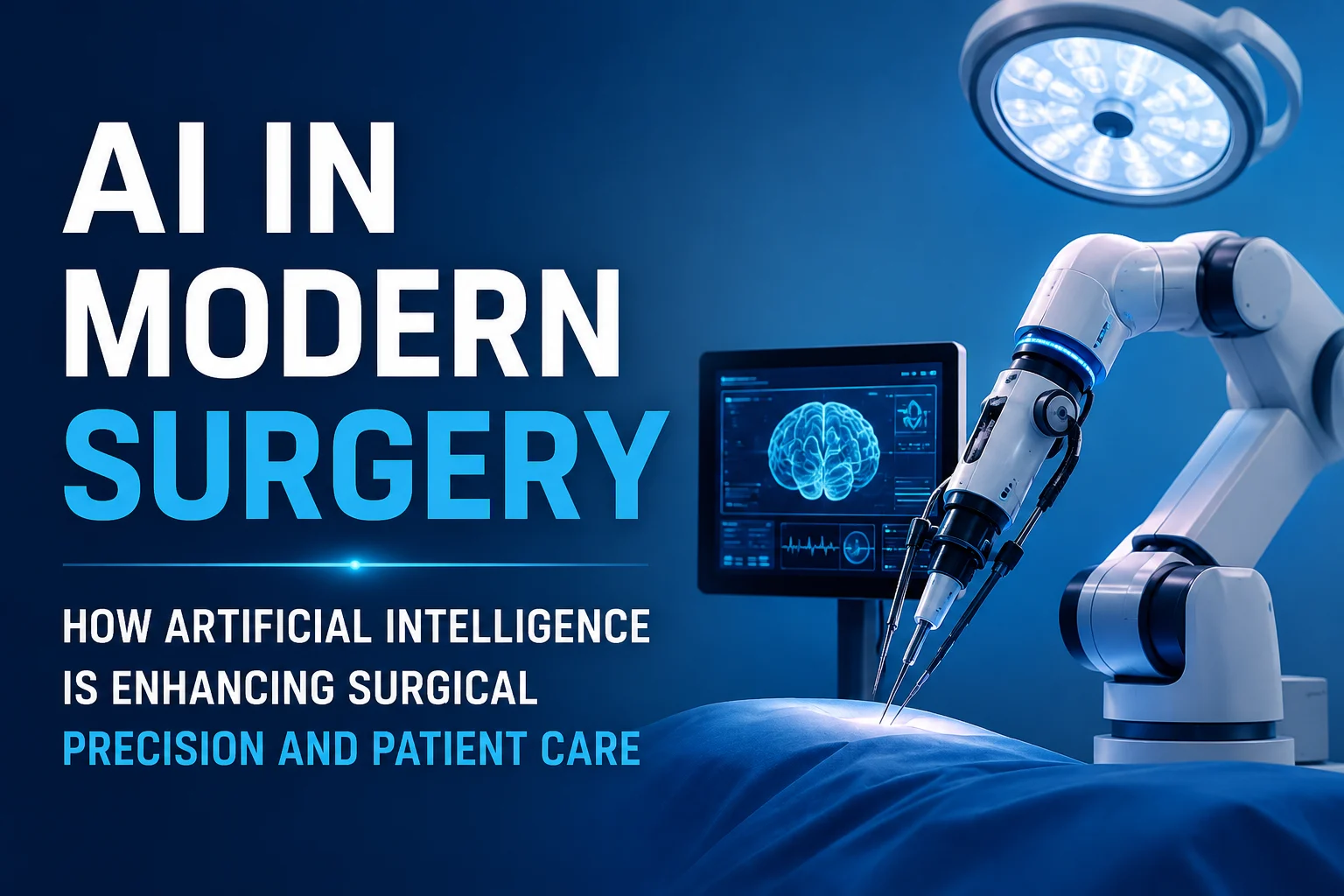
Despite rapid advances in artificial intelligence, surgery remains a human-centered profession requiring clinical judgment, experience, and ethical decision-making.
AI systems do not independently perform complex surgical procedures. Instead, they provide recommendations, identify potential risks, and assist with data interpretation while surgeons remain fully responsible for medical decisions and patient care.
Experts believe the future of surgery will involve close collaboration between highly trained surgeons and intelligent digital systems rather than automation replacing medical professionals.
Improving Patient Outcomes
AI has the potential to improve patient care throughout the surgical journey.
By analyzing medical histories, laboratory reports, imaging scans, and previous treatment outcomes, AI can help identify patients who may face a higher risk of complications. This enables doctors to tailor treatment plans according to individual needs.
Following surgery, AI-powered monitoring tools can track recovery patterns, detect early warning signs of infection or complications, and support faster medical intervention when necessary.
Such personalized care could contribute to shorter hospital stays, fewer complications, and improved long-term health outcomes.
Growing Role of Robotics and AI
Robotic-assisted surgery has gained significant attention in recent years, with AI enhancing these systems by improving image recognition, motion analysis, and surgical planning.
While robotic platforms allow surgeons to perform highly precise movements through small incisions, AI helps optimize workflow by analyzing data before and during procedures.
Together, robotics and AI are expanding the capabilities of minimally invasive surgery across specialties including orthopedics, urology, cardiology, oncology, and neurosurgery.
Challenges That Still Need Attention
Although AI offers substantial benefits, its growing role in surgery also raises important questions.
Medical experts emphasize the need for extensive clinical validation, regulatory oversight, patient privacy protections, cybersecurity safeguards, and transparency in AI-driven recommendations.
Healthcare providers must also ensure that AI systems are trained using diverse, high-quality medical data to minimize bias and deliver reliable results across different patient populations.
Training surgeons to effectively use AI-assisted technologies will also be essential as hospitals continue adopting advanced digital tools.
Why This Matters
Healthcare systems worldwide face increasing demand for complex surgeries, aging populations, and pressure to improve outcomes while controlling costs.
AI has the potential to support these goals by helping surgeons make faster, data-driven decisions, improving precision during procedures, and enhancing postoperative care.
As the technology continues to evolve, hospitals may increasingly integrate AI into routine surgical practice, creating more personalized and efficient healthcare experiences for patients.
Balanced Analysis
Artificial intelligence is becoming an important partner in modern surgery, offering valuable assistance in planning, precision, and patient monitoring. However, successful surgical outcomes still depend primarily on the expertise, judgment, and experience of skilled medical professionals.
The long-term success of AI in healthcare will depend on responsible implementation, strong regulatory standards, continuous clinical evaluation, and maintaining trust between patients and healthcare providers. When used appropriately, AI has the potential to complement—not replace—the human expertise that remains at the heart of surgical care.