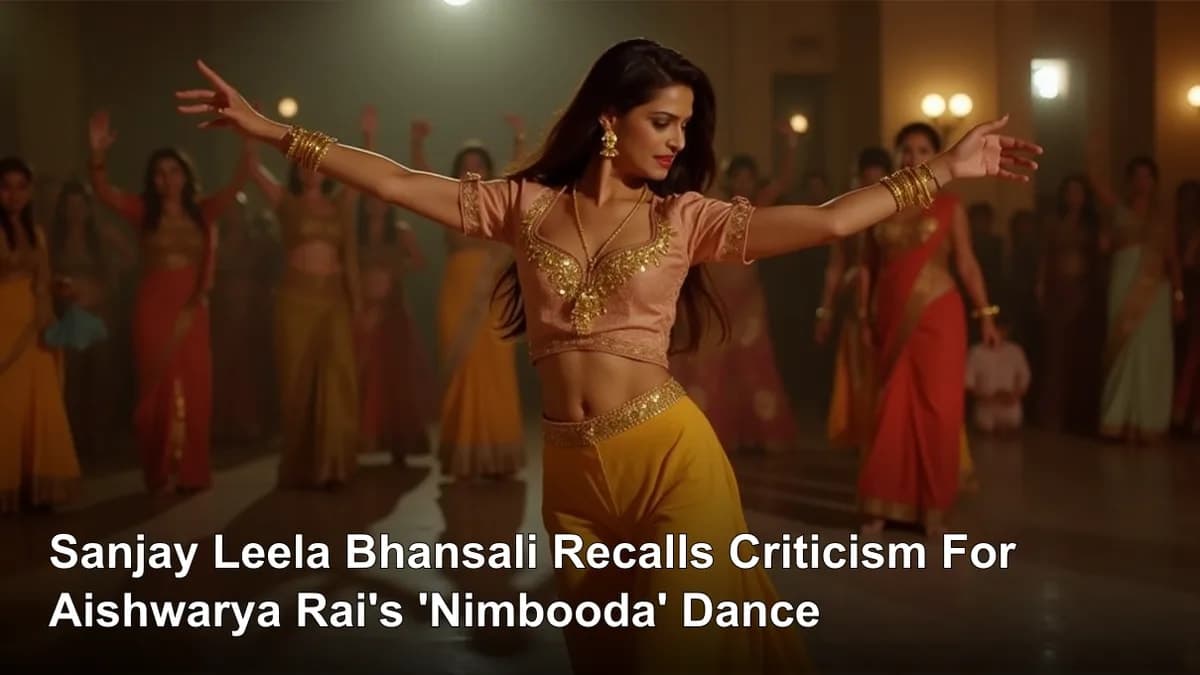
Sanjay Leela Bhansali, a renowned filmmaker in Hindi cinema, has spoken about the criticism he faced for Aishwarya Rai's dance number 'Nimbooda' in his film Hum Dil De Chuke Sanam. The film, released in 1999, was a commercial success and established Aishwarya Rai as a promising talent. However, at the time of its release, the film was ridiculed by some critics, with a few even comparing Aishwarya's dance to a 'mujra', a traditional Indian dance form often associated with courtesans.
Bhansali's journey in the film industry has not been without its challenges. His debut film, Khamoshi, released in 1996, bombed at the box office. However, he channelised his anger and frustration into his next project, Hum Dil De Chuke Sanam. The film's success can be attributed to Bhansali's attention to detail and his passion for storytelling.
Despite the film's success, Bhansali has spoken about the pressure and criticism he faced from the film industry. In an interview with Rediff, he expressed his frustration with the workings of Indian cinema, stating that even someone like Steven Spielberg would "run away from this kind of pressure from distributors, producers, stars and the audience". Bhansali's comments highlight the challenges faced by filmmakers in the Indian film industry, where they are often subjected to intense scrutiny and pressure to deliver commercially successful films.
What Happened
Bhansali's experience with Hum Dil De Chuke Sanam was marked by intense criticism and scrutiny. The film's portrayal of Aishwarya Rai's character, particularly in the 'Nimbooda' dance sequence, was ridiculed by some critics. Bhansali has spoken about the comments he received, with some critics stating that Aishwarya was made to do a 'mujra'. The criticism was not limited to the film's dance sequences, with some critics also questioning the film's portrayal of female characters.
Despite the criticism, Bhansali has spoken about his passion for storytelling and his attention to detail. He has stated that he worked 24 hours a day on the film, selecting every costume and piece of jewellery himself. Bhansali's dedication to his craft is evident in the film's success, which can be attributed to his vision and passion for storytelling.
Bhansali's experience with Hum Dil De Chuke Sanam has also been marked by personal struggles. He has spoken about the failure of his debut film, Khamoshi, and the sleepless nights he endured as a result. However, he has also stated that the failure gave him confidence and drove him to work harder on his next project.
Background
Sanjay Leela Bhansali's journey in the film industry has been marked by challenges and struggles. His debut film, Khamoshi, released in 1996, bombed at the box office. However, he did not give up and went on to make Hum Dil De Chuke Sanam, which established him as a promising filmmaker.
Bhansali's background and personal struggles have also played a significant role in shaping his filmmaking style. He has spoken about his traumatic childhood, growing up in a middle-class family with an alcoholic father. The financial struggles and violence in his household have had a lasting impact on Bhansali, who has stated that he suffered through "humiliation" in his growing up years.
Timeline
1996: Sanjay Leela Bhansali's debut film, Khamoshi, releases and bombs at the box office.
1999: Hum Dil De Chuke Sanam releases and establishes Aishwarya Rai as a promising talent.
1999: Bhansali expresses his frustration with the workings of Indian cinema in an interview with Rediff.
Why It Matters
Sanjay Leela Bhansali's experience with Hum Dil De Chuke Sanam highlights the challenges faced by filmmakers in the Indian film industry. The criticism and scrutiny faced by Bhansali are not unique to him, with many filmmakers struggling to balance their creative vision with the commercial demands of the industry.
The film's portrayal of female characters has also been subject to criticism, with some viewers questioning the representation of women in the film. Bhansali's comments on the traditional demeanour of his lead female character have also been subject to scrutiny, with some critics arguing that his views are outdated and patriarchal.
Despite the criticism, Hum Dil De Chuke Sanam remains a significant film in Indian cinema, marking a turning point in Bhansali's career and establishing Aishwarya Rai as a promising talent. The film's success can be attributed to Bhansali's passion for storytelling and his attention to detail, which have become hallmarks of his filmmaking style.
Industry Impact
Sanjay Leela Bhansali's experience with Hum Dil De Chuke Sanam has had a significant impact on the Indian film industry. The film's success marked a turning point in Bhansali's career, establishing him as a promising filmmaker. The film's portrayal of female characters has also sparked a debate about representation in Indian cinema, with many viewers questioning the traditional portrayal of women in films.
Analysis
Bhansali's experience with Hum Dil De Chuke Sanam highlights the challenges faced by filmmakers in balancing their creative vision with the commercial demands of the industry. The criticism and scrutiny faced by Bhansali are not unique to him, with many filmmakers struggling to navigate the complex and often patriarchal Indian film industry.
Key Takeaways
Sanjay Leela Bhansali faced criticism for Aishwarya Rai's dance number 'Nimbooda' in Hum Dil De Chuke Sanam.
The film's success marked a turning point in Bhansali's career, establishing him as a promising filmmaker.
Bhansali's experience with Hum Dil De Chuke Sanam highlights the challenges faced by filmmakers in balancing their creative vision with the commercial demands of the industry.
The film's portrayal of female characters has sparked a debate about representation in Indian cinema.
Bhansali's background and personal struggles have played a significant role in shaping his filmmaking style.
The film's success can be attributed to Bhansali's passion for storytelling and his attention to detail.
Conclusion
Sanjay Leela Bhansali's experience with Hum Dil De Chuke Sanam is a testament to the challenges faced by filmmakers in the Indian film industry. Despite the criticism and scrutiny, Bhansali's passion for storytelling and his attention to detail have made him one of the most prolific filmmakers in Hindi cinema. As the Indian film industry continues to evolve, it is essential to recognize the importance of representation and diversity in films, and to support filmmakers who are pushing the boundaries of storytelling and creativity.
The legacy of Hum Dil De Chuke Sanam continues to be felt in Indian cinema, with the film remaining a classic of Hindi cinema. As new generations of viewers discover the film, it is essential to consider the context in which it was made and the impact it has had on the industry. By doing so, we can gain a deeper understanding of the challenges faced by filmmakers and the importance of supporting diversity and representation in Indian cinema.