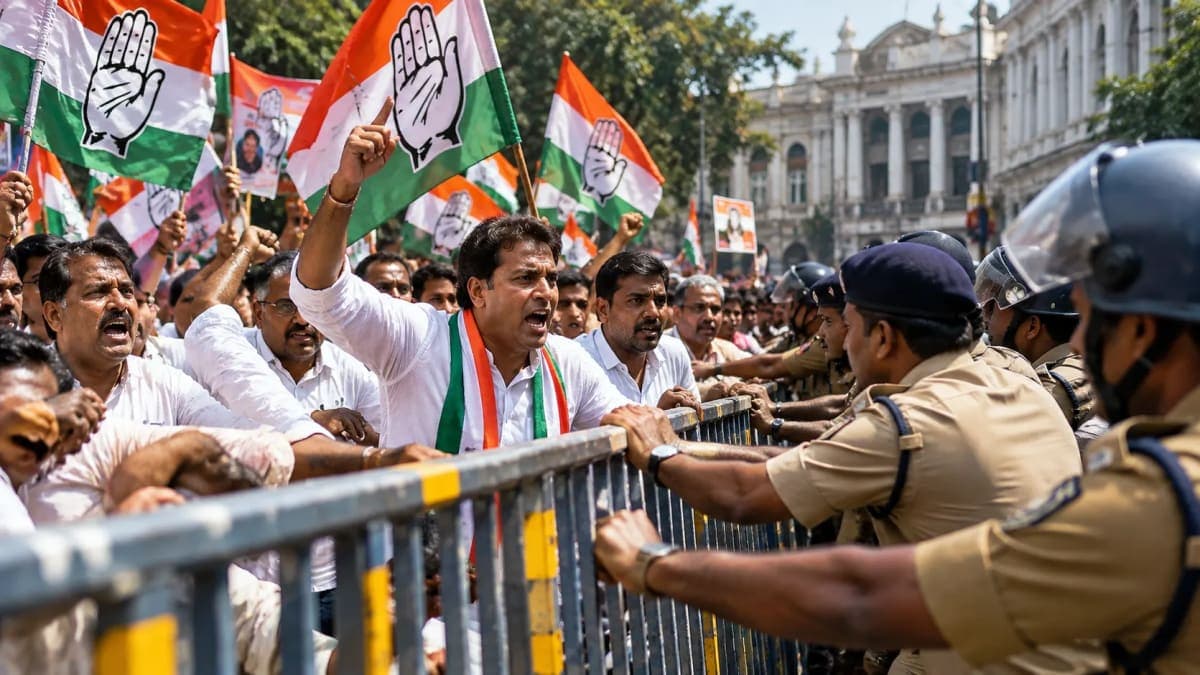
Congress Takes Protest to Kolkata Streets
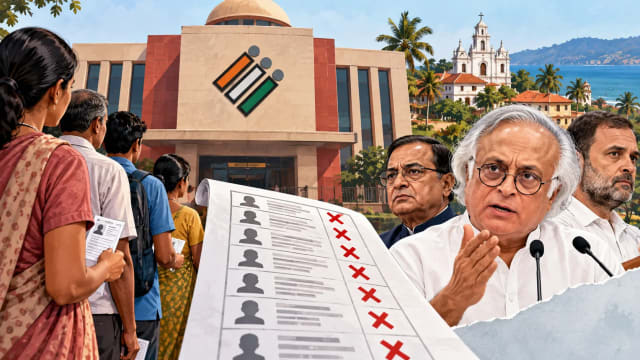
The Congress intensified its confrontation with the Election Commission on Friday as party workers staged a protest march in central Kolkata demanding the arrest and removal of Chief Election Commissioner Gyanesh Kumar.
Led by West Bengal Congress president Subhankar Sarkar, the procession began outside the Calcutta University campus on College Street and was headed towards the office of the West Bengal Chief Electoral Officer on Strand Road. Party workers from several districts participated in the demonstration, according to PTI.
Heavy police deployment and barricades were put in place along the route. The march, however, did not reach the election office.
Police Stop Rally at B.B. Ganguly Street
Police stopped the Congress procession at the B.B. Ganguly Street crossing in central Kolkata, citing concerns over traffic disruption.
After being prevented from proceeding further, protesters burnt an effigy of Gyanesh Kumar and continued raising slogans demanding his arrest and removal.
India Today separately reported that the demonstration was led by Subhankar Sarkar along with AICC observer Prakash Joshi, with protesters carrying placards demanding action against the CEC.
Subhankar Sarkar Says Protest Will Continue
Addressing Congress workers, Sarkar said the party intended to continue its agitation.
“We want the immediate arrest of the CEC.”
He added that the Congress would not allow the agitation to fade and described the issue as concerning the rights of ordinary citizens.
The demand represents the Congress party’s position. No finding establishing criminal wrongdoing by Kumar was cited in the reports on Friday’s Kolkata protest.
Why Is Congress Protesting Against Gyanesh Kumar?
The Kolkata march was not an isolated demonstration. It formed part of a nationwide Congress agitation against the Chief Election Commissioner.
On September 24, Congress general secretary K.C. Venugopal directed state units to organise marches to election offices on September 25. The party demanded Kumar’s arrest and removal as well as an independent review of decisions and electoral-roll changes made during his tenure.
Congress has accused the Election Commission and Kumar of facilitating what it describes as “vote chori” or manipulation of electoral rolls. These are political allegations made by the Congress and should not be presented as established facts.
Reported Differences Within Election Commission Add to Political Row
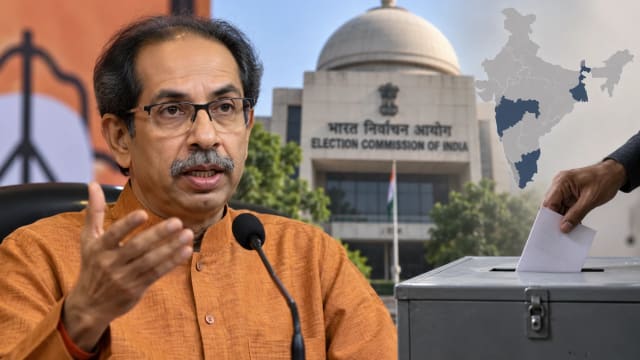
The latest protests also follow media reporting about internal discussions within the three-member Election Commission.
Reports citing an Indian Express investigation said Election Commissioners Sukhbir Singh Sandhu and Vivek Joshi had recorded objections on multiple occasions concerning matters including electoral rolls, voter registration, Form 6 and voter data.
The Election Commission has pushed back against interpretations that these represented fundamental divisions within the poll body.
According to reports on the Commission’s response, the EC maintained that decisions taken by the three-member Commission over the past year were unanimous, while observations made by individual commissioners were part of the deliberative process and were treated as suggestions.
The ECI's official website currently lists Gyanesh Kumar as Chief Election Commissioner, alongside Election Commissioners Sukhbir Singh Sandhu and Vivek Joshi.
Protests Held Across Several States
Kolkata was one of several locations where Congress workers demonstrated on Friday.
Protests were reported in Delhi, Bihar, Assam, Punjab, Arunachal Pradesh, Manipur, Uttar Pradesh and West Bengal.
The police response varied by state.
In Assam, state Congress president Gaurav Gogoi and other party leaders were detained after protesters encountered police barricades. Water cannons were used against protesters in Chandigarh and Patna amid attempts to advance towards election offices, according to reports.
This wider mobilisation makes the Kolkata march part of a coordinated national political campaign rather than a standalone West Bengal protest.
Congress Plans Another Round of Protests
The September 25 demonstrations are also not expected to be the end of the Congress campaign.
The party has announced that District Congress Committees will organise marches to district collectorates on September 28, continuing its demand for action against the CEC.
Whether those demonstrations lead to any institutional or legal action is a separate question. The demand for Kumar’s arrest and removal currently remains a political demand made by Congress and other opposition figures.
Why the Distinction Between Allegation and Fact Matters
The dispute involves two separate sets of facts that should not be conflated.
It is confirmed that Congress organised nationwide demonstrations, that protesters in Kolkata demanded Kumar’s arrest and removal, and that police stopped the Kolkata procession before it reached the Chief Electoral Officer’s office.
It is also confirmed that the Election Commission disputes the opposition’s interpretation of its conduct and has maintained that decisions of the three-member Commission were unanimous.
Claims of electoral manipulation or “vote theft,” however, are allegations advanced by Congress and other opposition parties. They should therefore be attributed as such rather than stated as established findings.
Source
Primary Source: PTI reporting published by The Economic Times on September 25, 2026.
Additional Sources: Hindustan Times and India Today for the nationwide protests and Kolkata demonstration; Election Commission of India for the Commission’s current composition.