Viral Posts Bring Rape-aXe Back Into Spotlight
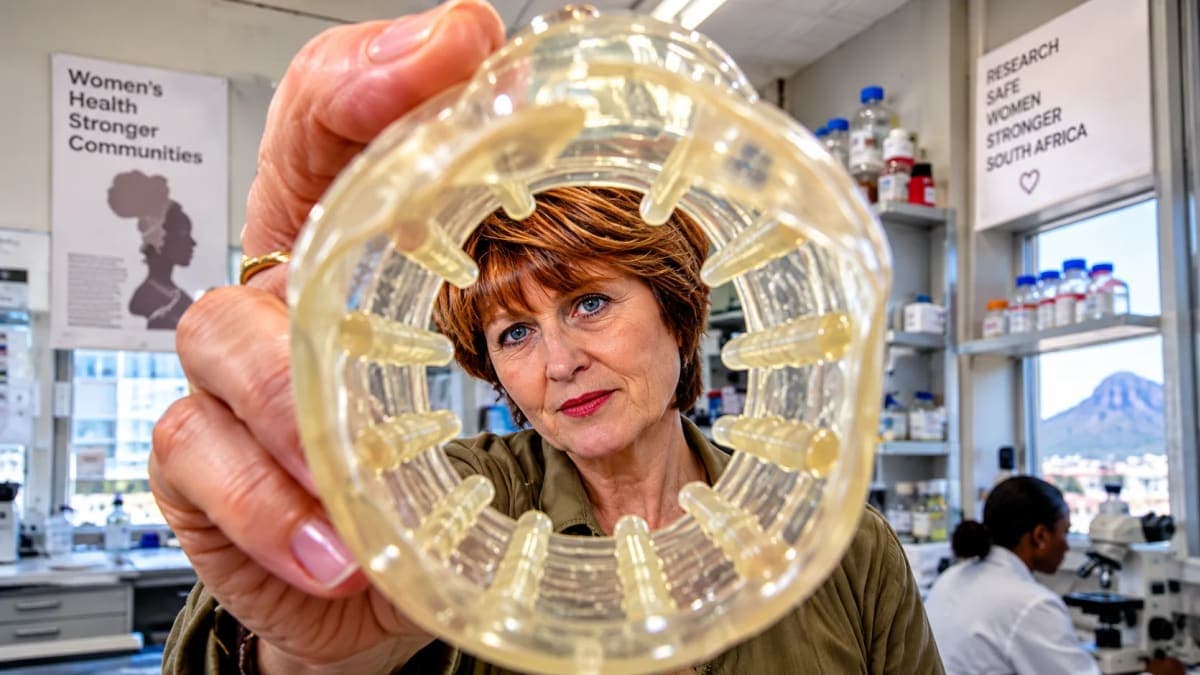
Images of South African inventor Sonette Ehlers holding an unusual anti-rape device are circulating again online, prompting fresh discussion about an invention that first attracted international attention in the 2000s.
The device, later known as Rape-aXe, was designed to be worn internally. Contemporary reports from 2005 described an early version, then known as Rapex, as containing inward-facing structures intended to attach to the penis of an attacker during penetration. Medical assistance would then be required for removal.
Despite its renewed social-media visibility, the invention is not new.
Why Did the Device Become Controversial?
The concept generated debate almost immediately.
Supporters viewed it as a potential way for a victim to interrupt an assault, escape and possibly aid identification of an attacker.
Critics, including some women's-rights advocates, raised different concerns. These included whether the device could provoke additional violence and whether focusing on defensive products risked shifting responsibility for preventing sexual violence onto potential victims.
These competing arguments became a central part of the international discussion surrounding the invention.
Was Rape-aXe Ever Commercially Available?
This is where viral posts can create a misleading impression.
Africa Check reported in 2020 that prototypes of Rape-aXe had been produced, but claims that the device could be purchased in pharmacies and supermarkets were false.
More recent reporting in South Africa indicates that the project still has not become generally available to consumers and has faced disputes involving its development and intellectual property.
Why the Story Matters
The renewed attention illustrates how an old story can reappear on social media without its original timeline.
Rape-aXe is a genuine invention, and the controversy surrounding it is documented. But presenting it simply as something a woman has recently invented would leave readers with the wrong impression.
The broader debate also remains sensitive: technological or defensive devices may be proposed as personal-safety measures, but their existence does not establish their effectiveness or resolve the wider social, legal and institutional challenges involved in preventing sexual violence.


