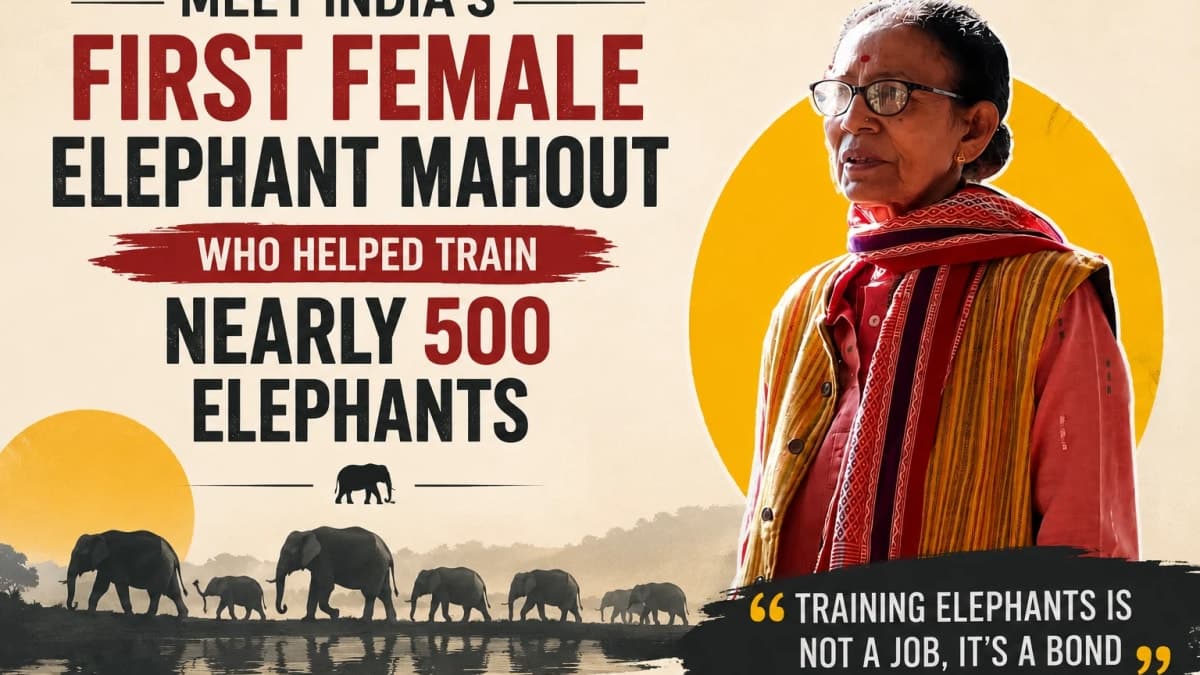
Meet India’s First Female Elephant Mahout – She Trained Around 500 Gentle Giants
In a profession that has historically been dominated by men, India's first female elephant mahout has carved out an extraordinary legacy through years of dedication, courage, and compassion. Known for helping train nearly 500 elephants, her story represents not only a personal milestone but also a significant step forward in breaking gender stereotypes within wildlife management and animal care.
Her work with elephants demonstrates the importance of trust, consistency, and understanding in developing relationships with some of the world's largest land mammals. Over the years, she has earned respect for combining traditional mahout practices with patient and humane handling techniques.
Breaking Gender Barriers in Wildlife Care
For generations, the role of a mahout has largely been reserved for men, particularly in regions where elephants have played an important role in forestry, conservation, cultural traditions, and eco-tourism. By entering this field and excelling in it, India's first female elephant mahout challenged long-standing assumptions about who can perform such demanding work.
Her achievements have encouraged conversations about creating more opportunities for women in wildlife conservation, forest services, and animal management.
Training Hundreds of Elephants
Working with elephants requires far more than physical strength. Successful training depends on building trust, understanding each animal's behavior, maintaining consistent routines, and ensuring proper care.
Throughout her career, she has contributed to the training of approximately 500 elephants, helping handlers and conservation teams manage these intelligent animals while prioritizing their welfare. Such experience highlights years of practical knowledge developed through close interaction with elephants in diverse situations.
Why Her Story Matters
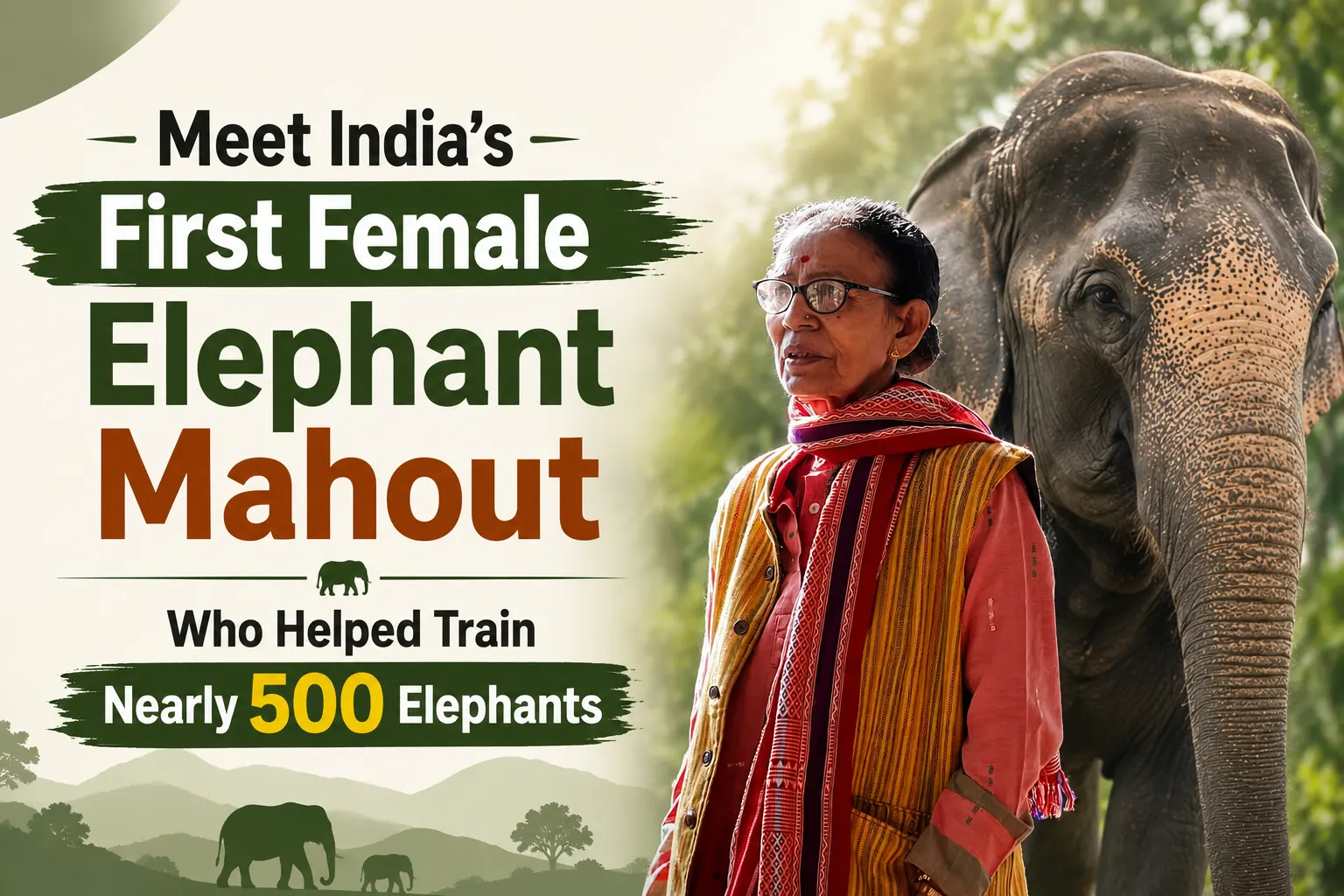
The significance of her achievement extends beyond numbers. Her success illustrates how determination and expertise can overcome traditional social barriers.
As wildlife conservation becomes increasingly important, stories like hers draw attention to the people working behind the scenes to care for animals, preserve biodiversity, and support responsible conservation efforts. Her journey also serves as an inspiration for young women considering careers in fields that have traditionally seen limited female participation.
A Balanced Perspective
While her accomplishments deserve recognition, experts also emphasize that modern elephant management continues to evolve. Across the conservation community, increasing attention is being paid to ethical handling practices, scientific research, habitat protection, and animal welfare standards.
The role of experienced mahouts remains valuable, but many organizations are also exploring new approaches that combine traditional knowledge with contemporary conservation science to improve elephant welfare.
Looking Ahead
As India continues expanding wildlife conservation initiatives, the achievements of pioneering professionals like the country's first female elephant mahout highlight the importance of diversity, dedication, and compassion in protecting wildlife.
Her journey stands as a reminder that meaningful change often begins with individuals willing to challenge convention while remaining committed to excellence and the well-being of the animals they care for.


