Questions Emerge Over Relief Distribution During Assam Flood Crisis
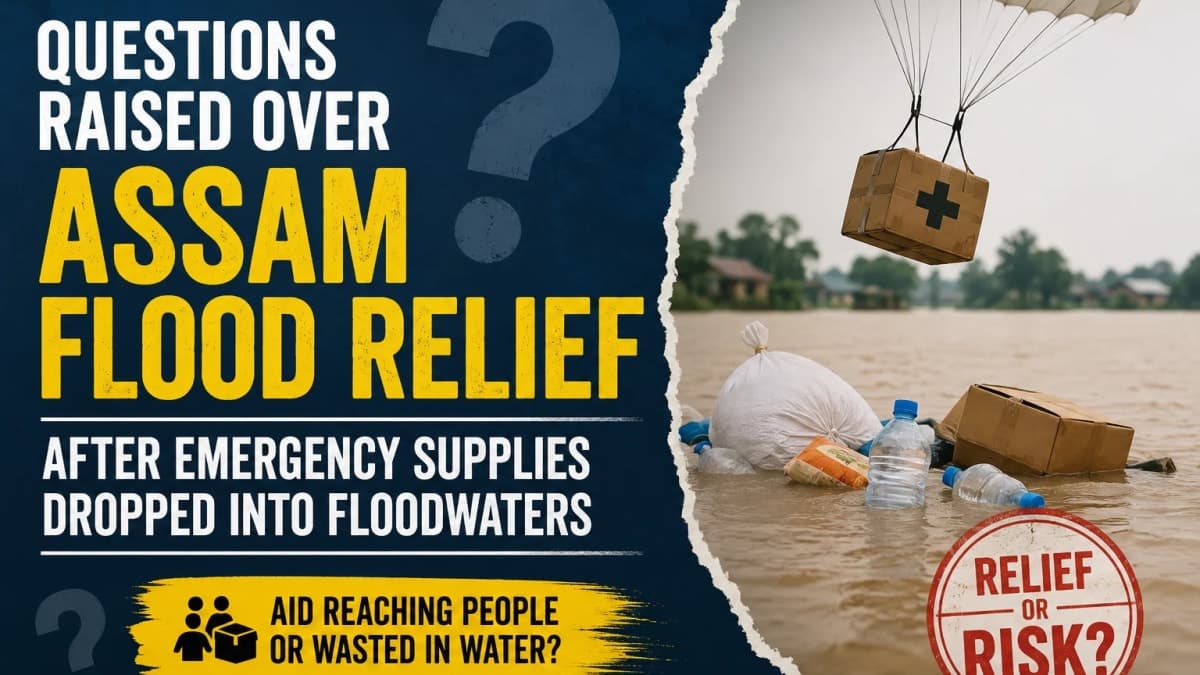
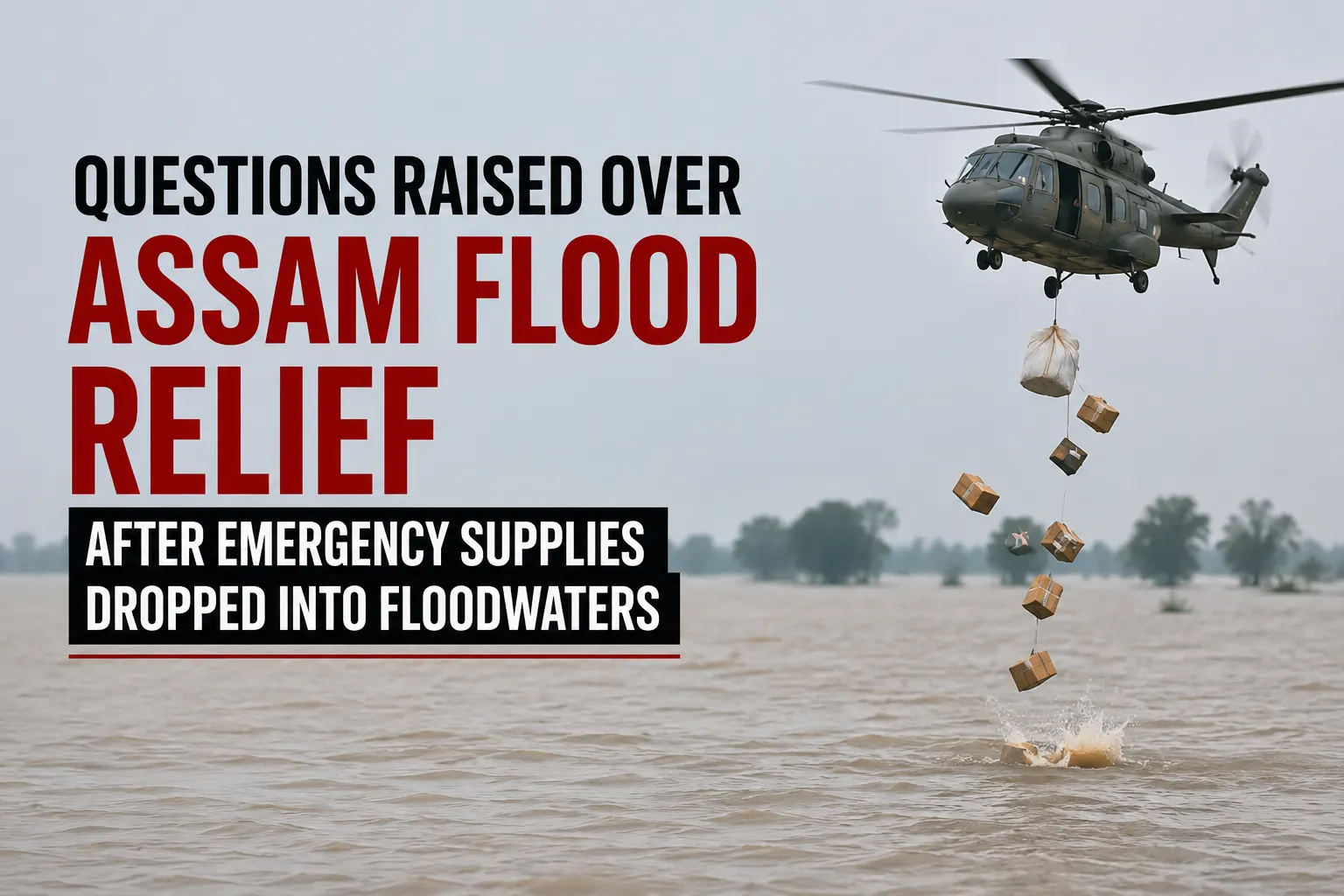
Relief operations in flood-hit Assam have come under public scrutiny after emergency supplies were reportedly dropped directly into floodwaters, prompting questions about the effectiveness and accessibility of the distribution process.
The incident has sparked debate on social media and among observers, with many asking whether the supplies could be safely retrieved by those most in need. While emergency agencies often face immense logistical challenges during large-scale floods, the method of delivering aid has become the focus of public discussion.
Why the Incident Has Drawn Attention
Assam experiences severe flooding almost every year during the monsoon season, with overflowing rivers and heavy rainfall affecting thousands of families across multiple districts. In many cases, roads become inaccessible, forcing rescue teams to rely on boats, helicopters, or aerial drops to deliver essential supplies.
However, the latest incident has raised concerns about whether dropping relief materials directly into floodwaters is the most effective strategy. Critics argue that such deliveries may risk supplies drifting away, becoming damaged, or remaining inaccessible to vulnerable residents.
Supporters of the emergency response, on the other hand, point out that disaster responders often have limited options when floodwaters isolate entire communities. In rapidly changing conditions, aerial delivery can sometimes be the only available method to reach stranded people.
Challenges of Disaster Relief During Severe Floods
Delivering humanitarian assistance during floods is one of the most complex aspects of disaster management. Rescue agencies must balance speed, safety, weather conditions, and limited infrastructure while attempting to reach affected populations.
Floodwaters can cut off transportation networks, damage communication systems, and make conventional distribution nearly impossible. Under such circumstances, emergency responders often adopt unconventional methods to prevent delays in providing food, drinking water, medicines, and other necessities.
The incident has nevertheless renewed calls for improved planning, stronger coordination, and more efficient last-mile delivery systems during natural disasters.
Why It Matters
The discussion extends beyond a single relief operation. It highlights the broader importance of ensuring that emergency assistance not only reaches disaster zones but also remains safely accessible to the people it is intended to help.
As climate-related disasters become more frequent and intense, governments and disaster response agencies are increasingly expected to combine rapid action with transparent and efficient relief distribution. Public confidence in emergency operations depends not only on the speed of response but also on the effectiveness of aid delivery.
Balanced Analysis
The controversy illustrates the difficult decisions faced by disaster management teams operating under extreme conditions. While emergency responders may prioritize speed to save lives, public concerns about accountability and efficient distribution are equally valid.
Rather than assigning blame without complete information, the episode underscores the need to evaluate relief strategies, improve logistics, and adopt technologies that ensure aid reaches stranded communities safely and effectively. Constructive review of disaster response practices can help strengthen preparedness for future emergencies.
Conclusion
The questions surrounding Assam's recent flood relief efforts have drawn attention to the challenges of humanitarian assistance during natural disasters. As authorities continue rescue and rehabilitation work, the debate may encourage improvements in emergency logistics, ensuring that relief reaches vulnerable communities in the safest and most effective manner possible.


