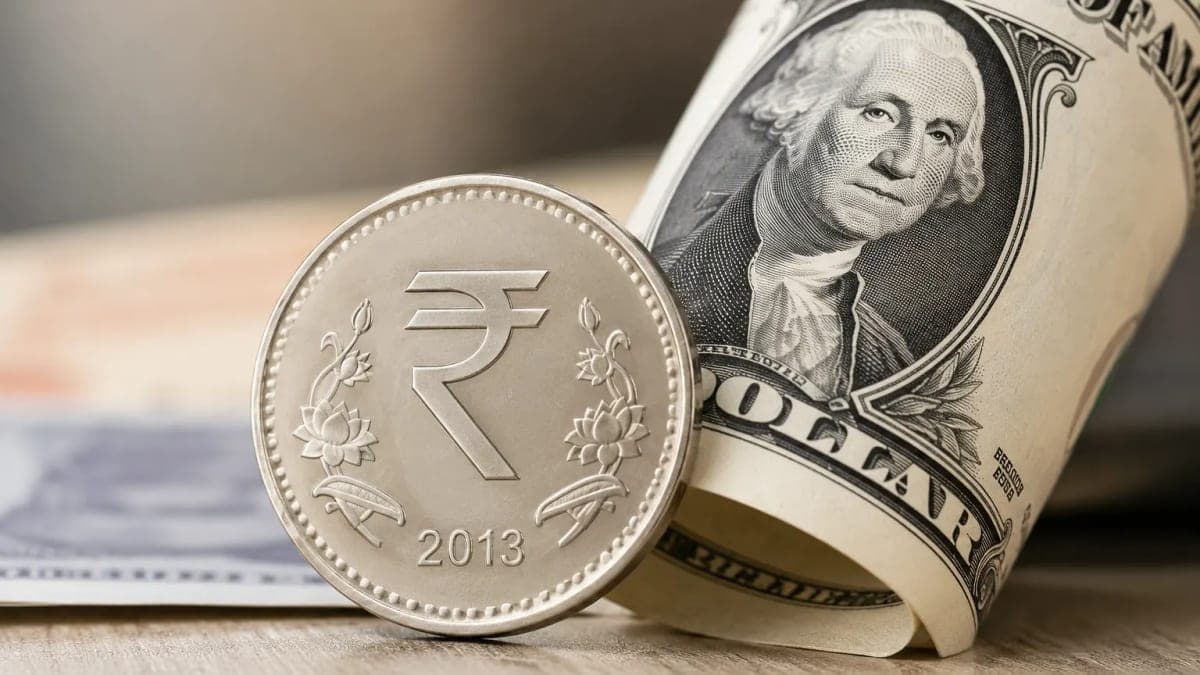
The Indian rupee recorded gains against the U.S. dollar in early trading, rising by 14 paise to trade at 96.28 per dollar. The movement reflects positive momentum at the start of the trading session, although currency markets remain highly dynamic and subject to change throughout the day.
Foreign exchange markets are influenced by a wide range of domestic and international factors, including investor sentiment, crude oil prices, capital flows, central bank policies, and global economic data. Even modest changes in these factors can impact the value of the rupee against major global currencies.
According to market observers, improved confidence among investors and relatively stable market conditions may have contributed to the rupee's stronger opening. However, analysts caution that currency values can fluctuate rapidly as new economic information becomes available.
A stronger rupee generally reduces the cost of imports, particularly commodities such as crude oil, electronics, and industrial raw materials purchased in U.S. dollars. Lower import costs can help businesses manage expenses and may ease inflationary pressure if the trend continues over time.
At the same time, a stronger domestic currency may slightly reduce export competitiveness, as Indian goods and services become relatively more expensive for overseas buyers. The overall impact depends on the duration and magnitude of currency movements.
Financial experts also continue to monitor global interest rate expectations, movements in the U.S. dollar index, foreign institutional investment flows, and geopolitical developments, all of which can influence exchange rates in the coming sessions.
The Reserve Bank of India (RBI) closely monitors currency market conditions to ensure orderly market functioning. While the central bank does not target a fixed exchange rate, it may take measures to address excessive volatility when necessary.
Investors and businesses are expected to keep a close watch on upcoming domestic economic indicators and international market developments, which could determine the rupee's direction during the remainder of the trading session and in the days ahead.


