India-US Trade Talks Advance, but Final Agreement Still Not Immediate
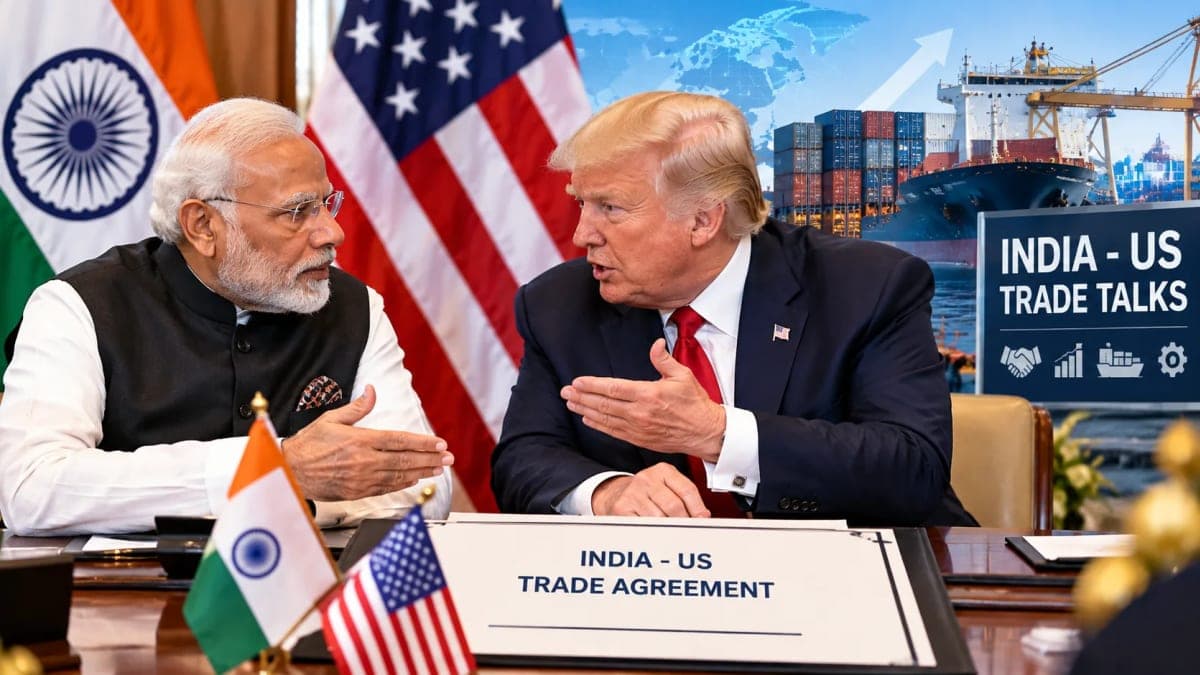
Milwaukee/New Delhi, October 2, 2026: Negotiations between India and the United States over a bilateral trade agreement have moved closer to their concluding phase, but Washington has cautioned that a final deal is not immediately around the corner.
US Trade Representative Jamieson Greer said the Trump administration continues to work with India to complete the agreement. Speaking after the G20 Trade Ministers’ Meeting in Milwaukee, Greer indicated that negotiators are now dealing with the remaining unresolved matters.
Greer described the negotiations as being in the “short strokes”, an expression suggesting that much of the broader work has been completed and talks are focused on the remaining issues. At the same time, he explicitly cautioned against expecting an imminent announcement.
Greer Meets Piyush Goyal in Milwaukee
The latest assessment followed a meeting between Greer and India's Commerce and Industry Minister Piyush Goyal on the sidelines of the G20 gathering.
Greer described his conversation with Goyal as constructive and said officials from both countries were continuing their discussions. The two negotiating teams have now identified the broad set of issues preventing the agreement from being completed and are working to resolve them.
Importantly, Greer did not publicly provide a complete list of those outstanding issues in his latest remarks. Reports describing specific negotiating demands should therefore be distinguished from the issues officially confirmed in this particular statement.
Modi and Trump Could Speak Again
The trade discussions are also taking place at the highest political level.
Prime Minister Narendra Modi and US President Donald Trump spoke on September 30. Their conversation covered bilateral cooperation including trade, defence, energy and emerging technologies, according to reporting on the talks.
Greer subsequently indicated that the two leaders could speak again soon to assess progress in the trade negotiations.
This high-level engagement does not guarantee that an agreement will be concluded immediately, but it shows that trade remains an active part of the broader India-US relationship.
What Is India and the US Negotiating?
The current talks form part of a longer effort to reshape economic ties between the two countries.
India and the United States established terms of reference for negotiations on a Bilateral Trade Agreement (BTA) in April 2025. According to the USTR, the framework was intended to address tariff and non-tariff barriers, improve market access and establish additional trade commitments.
The scale of the commercial relationship makes the negotiations economically significant. USTR figures show that US-India goods trade was estimated at $129.2 billion in 2024, while the United States recorded a $45.7 billion goods trade deficit with India that year.
Those figures provide useful context for Washington's emphasis on market access and trade barriers, although a bilateral trade relationship cannot be assessed solely through the goods deficit because services, investment and other economic links also form part of the wider relationship.
Why the Remaining Issues Matter
Trade agreements frequently become more difficult to conclude as negotiations approach their final stages.
Early negotiations can establish broad objectives, while the closing phase requires governments to settle specific commitments affecting domestic industries, exporters, consumers and politically sensitive sectors.
Greer's latest remarks therefore send two messages at the same time: the negotiations have advanced significantly, but unresolved differences remain important enough to prevent an immediate agreement.
For businesses trading between India and the United States, the eventual details could matter more than the timing of the announcement. Changes involving tariffs, market access or other trade rules can affect costs and competitive conditions across industries.
What Happens Next?
Negotiations between officials from both countries are expected to continue as they work through the identified sticking points.
The possibility of another Modi-Trump conversation could provide further political direction, but neither Greer's comments nor the latest official discussions establish a confirmed date for completing the agreement.
For now, the most accurate description is that the India-US negotiations are advanced but unfinished. Claims that the agreement has already been finalised or that an announcement is certain within a particular timeframe would go beyond what officials have publicly confirmed.