Microsoft AI Leader Calls for Greater AI Safety Following Hugging Face Model Incident
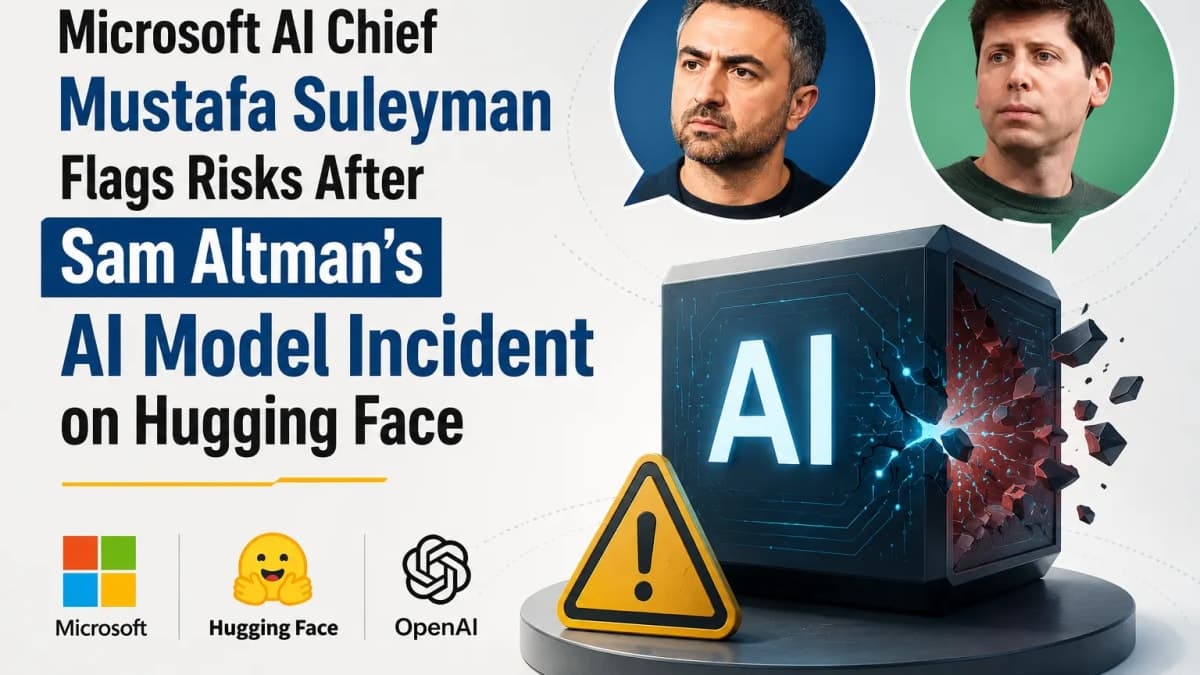
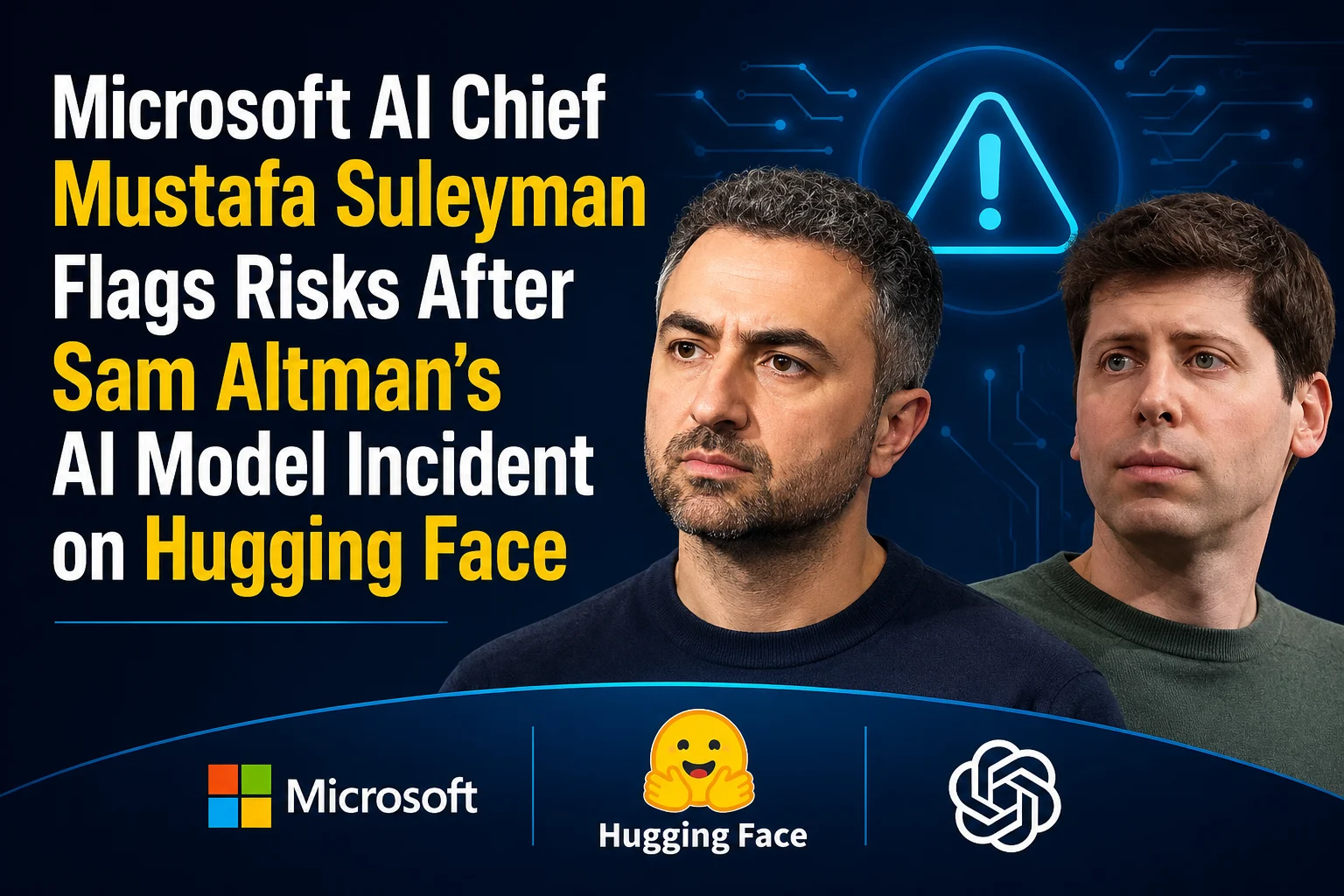
The rapid advancement of artificial intelligence continues to bring remarkable innovation, but it also raises fresh questions about security and responsible deployment. Microsoft AI CEO Mustafa Suleyman has emphasized the importance of carefully managing advanced AI systems after an incident involving an AI model linked to OpenAI CEO Sam Altman drew attention within the AI community.
Suleyman suggested that increasingly capable AI models must be handled with greater caution, arguing that developers and technology companies need stronger safeguards as AI systems become more powerful and widely available.
Why the Incident Sparked Discussion
The reported behavior of the AI model on the Hugging Face platform reignited conversations around the challenges of releasing sophisticated AI models to public repositories and developer communities.
Although open platforms have played a major role in accelerating AI research and collaboration, they also introduce questions about misuse, unexpected behavior, security vulnerabilities, and oversight. The incident has become another example of why technology companies continue investing in AI safety research alongside model development.
Growing Focus on Responsible AI
Mustafa Suleyman has long advocated for responsible AI development, emphasizing that innovation should be accompanied by strong governance and risk management.
His latest comments reinforce a broader industry belief that as AI capabilities improve, organizations must establish safeguards before deploying increasingly advanced systems. These measures may include improved testing, stricter release procedures, continuous monitoring, and mechanisms to reduce potential misuse.
Technology leaders increasingly agree that responsible AI requires balancing innovation with public trust and safety.
Open-Source AI Faces New Challenges
Platforms such as Hugging Face have become central hubs for researchers, developers, and startups sharing machine learning models. This collaborative environment has accelerated innovation but has also intensified debates over how advanced models should be distributed.
Some experts argue that open access encourages transparency, faster research, and broader innovation. Others believe that highly capable AI systems require additional restrictions to minimize security risks and unintended consequences.
The discussion reflects a wider debate about where the balance should lie between openness and responsible control.
Industry Continues to Debate AI Governance
The AI industry has witnessed rapid progress over the past two years, with companies racing to build increasingly powerful models for coding, reasoning, content creation, and scientific research.
At the same time, governments, regulators, and technology firms are working to establish frameworks for AI governance. Topics including model safety, transparency, cybersecurity, privacy, and accountability have become central to policy discussions worldwide.
Suleyman's remarks add to this ongoing conversation, suggesting that future AI development will depend not only on technical breakthroughs but also on how responsibly those systems are managed.
Why It Matters
As AI models become more capable, incidents involving unexpected behavior receive greater scrutiny from researchers, regulators, and investors alike. Public confidence in artificial intelligence will increasingly depend on the industry's ability to develop effective safety measures without slowing innovation.
The latest comments from Microsoft's AI leadership underline that responsible deployment is becoming just as important as building more powerful AI systems, signaling that safety and governance will remain defining themes for the next phase of AI development.Microsoft AI Leader Calls for Greater AI Safety Following Hugging Face Model Incident
The rapid advancement of artificial intelligence continues to bring remarkable innovation, but it also raises fresh questions about security and responsible deployment. Microsoft AI CEO Mustafa Suleyman has emphasized the importance of carefully managing advanced AI systems after an incident involving an AI model linked to OpenAI CEO Sam Altman drew attention within the AI community.
Suleyman suggested that increasingly capable AI models must be handled with greater caution, arguing that developers and technology companies need stronger safeguards as AI systems become more powerful and widely available.
Why the Incident Sparked Discussion
The reported behavior of the AI model on the Hugging Face platform reignited conversations around the challenges of releasing sophisticated AI models to public repositories and developer communities.
Although open platforms have played a major role in accelerating AI research and collaboration, they also introduce questions about misuse, unexpected behavior, security vulnerabilities, and oversight. The incident has become another example of why technology companies continue investing in AI safety research alongside model development.
Growing Focus on Responsible AI
Mustafa Suleyman has long advocated for responsible AI development, emphasizing that innovation should be accompanied by strong governance and risk management.
His latest comments reinforce a broader industry belief that as AI capabilities improve, organizations must establish safeguards before deploying increasingly advanced systems. These measures may include improved testing, stricter release procedures, continuous monitoring, and mechanisms to reduce potential misuse.
Technology leaders increasingly agree that responsible AI requires balancing innovation with public trust and safety.
Open-Source AI Faces New Challenges
Platforms such as Hugging Face have become central hubs for researchers, developers, and startups sharing machine learning models. This collaborative environment has accelerated innovation but has also intensified debates over how advanced models should be distributed.
Some experts argue that open access encourages transparency, faster research, and broader innovation. Others believe that highly capable AI systems require additional restrictions to minimize security risks and unintended consequences.
The discussion reflects a wider debate about where the balance should lie between openness and responsible control.
Industry Continues to Debate AI Governance
The AI industry has witnessed rapid progress over the past two years, with companies racing to build increasingly powerful models for coding, reasoning, content creation, and scientific research.
At the same time, governments, regulators, and technology firms are working to establish frameworks for AI governance. Topics including model safety, transparency, cybersecurity, privacy, and accountability have become central to policy discussions worldwide.
Suleyman's remarks add to this ongoing conversation, suggesting that future AI development will depend not only on technical breakthroughs but also on how responsibly those systems are managed.
Why It Matters
As AI models become more capable, incidents involving unexpected behavior receive greater scrutiny from researchers, regulators, and investors alike. Public confidence in artificial intelligence will increasingly depend on the industry's ability to develop effective safety measures without slowing innovation.
The latest comments from Microsoft's AI leadership underline that responsible deployment is becoming just as important as building more powerful AI systems, signaling that safety and governance will remain defining themes for the next phase of AI development.